Important notes for SHARPPUMP Progressive Cavity Pump:
1. Installation: The proper installation is essential for stable pump operation. SHARPPUMP progressive cavity pump are generally installed horizontally on a base-plate except the vertical pump. The base-plate must be grouted and secured with anchor bolts to ensure stability, minimize noise and vibration. For large pumps, it is recommended to cast a base with cement for fixation.
Clean the pipe work and rinse thoroughly before the installation of the pump. When connecting the pipe work to the pump, pleasure ensure there is no external stress to the pump flanges. Never run the pump in overload. Corresponding safety equipment must be installed in the pipe work.
2. For variable frequency motors equipped with separate cooling fans, the terminal box of the motor and fan must be separately connected to the main power supply. It is strictly forbidden to connect both terminal boxes in series to a single power line, as this will cause the motor to burn out. Damage resulting from improper operation is not covered under warranty.
For fixed-frequency motors, prolonged operation at low Hertz is strictly prohibited. If required, please tell us before order. It is necessary to equip variable-frequency motor and independent forced cooling fan to reduce the heat generated during low-frequency operation.
3. The direction of rotation is indicated on the pump nameplate and technical data sheet. It determines the flow direction of the pumped medium. If rotation direction need change, please contact us.
4. Warning: NO DRY RUNNING! Never allow the pump to run dry without any medium. A few rotations in a dry condition will damage the stator.
· Before the first start up, fill the pump housing with medium. If the medium is highly viscous, a suitable compatible liquid with good flowability may be used. After filling, rotate the pump counter-clockwise by hand to ensure the suction chamber is completely filled.
· Check the direction of Rotation is the same as stated on the pumps nameplate before start up by briefly switching on the pump motor. All inlet and outlet valves must be fully open before start up.
· If the pump does not operate smoothly after starting, stop it immediately and find the cause.
5. Temporary Shutdown: The suction and discharge valves can only be closed after pump stopped. After shutdown, the medium in the pump should be fully drained. And the pump must be thoroughly cleaned if the medium is viscous, prone to solidifying, or under low ambient temperature.
6. With gland packing a small leakage should be permitted through the stuffing box for lubrication and cooling.
7. Maintenance and Repair: Always ensure the pump is stopped before performing any maintenance or replacing parts.
· Lubricate the universal joint regularly with grease as specified.
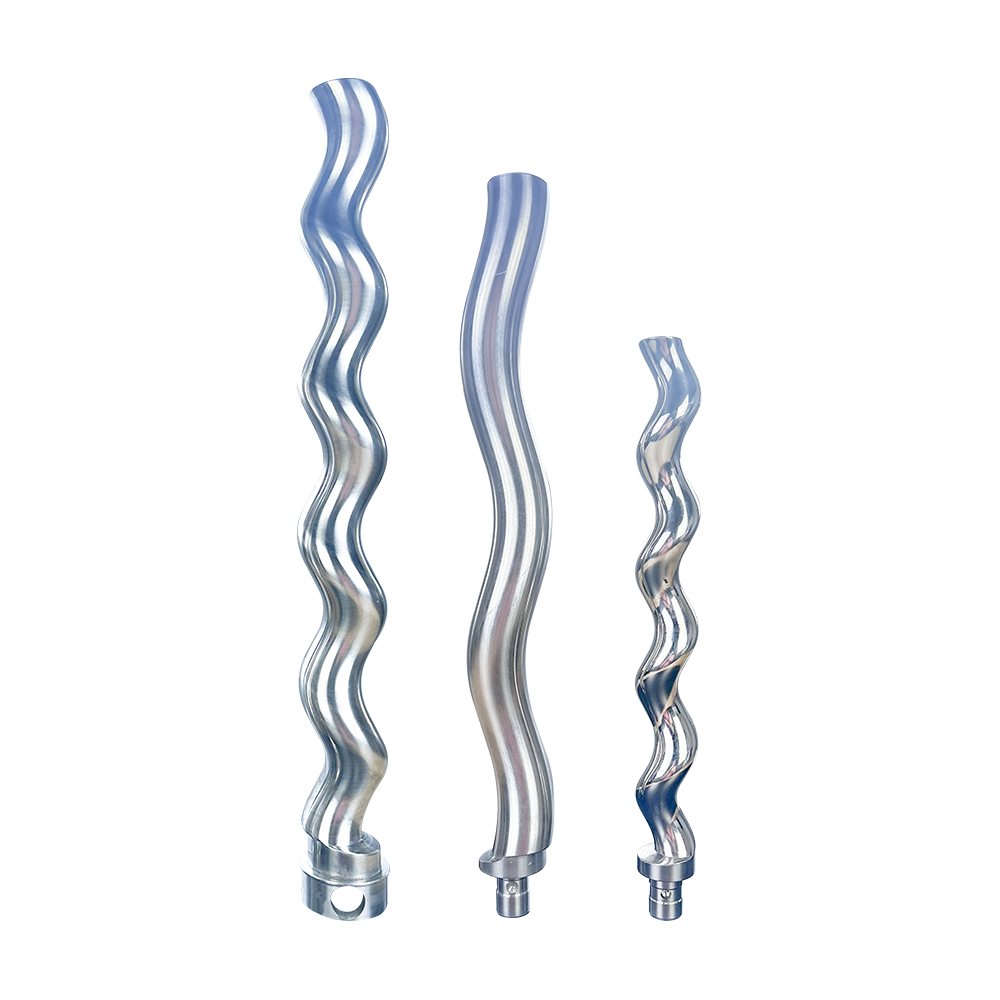
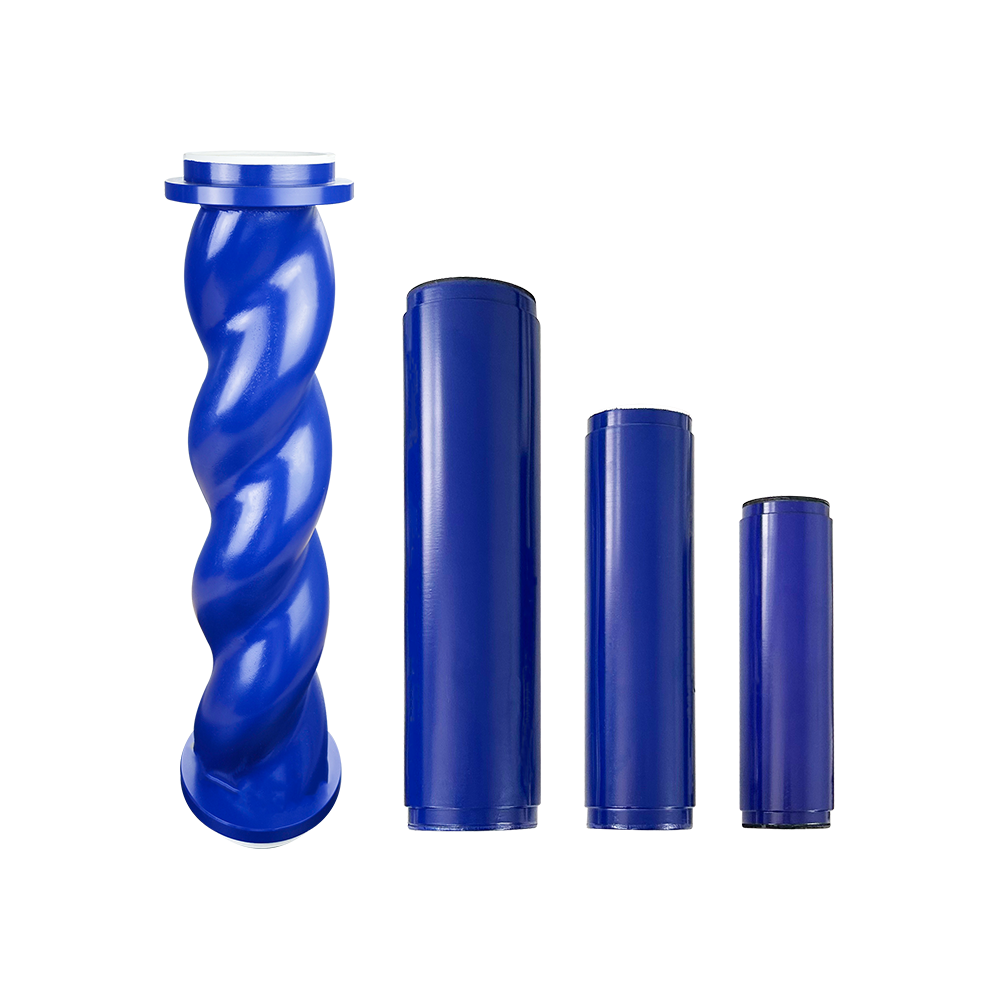
· When replacing the rotor and stator, evenly coat the rotor surface and the stator internal surface with a suitable lubricating fluid. The selected lubricant must be compatible with both the stator elastomer material and the process medium.
8. The pump must only be use for the design duties as specified on the order confirmation. If the actual medium temperature is not the same as specified in the order confirmation, the performance of the pump will be influenced or may not be used. If change the medium or duties, please contact us.
9. Standby pumps, which are idle for long periods, should be operated from time to time to prevent the plasticity distortion of the stator, which will increase the required starting torque. Therefore, it is recommended to remove the stator and store it separately in a cool, dry, and clean environment.
10. Auxiliary Equipment Selection:
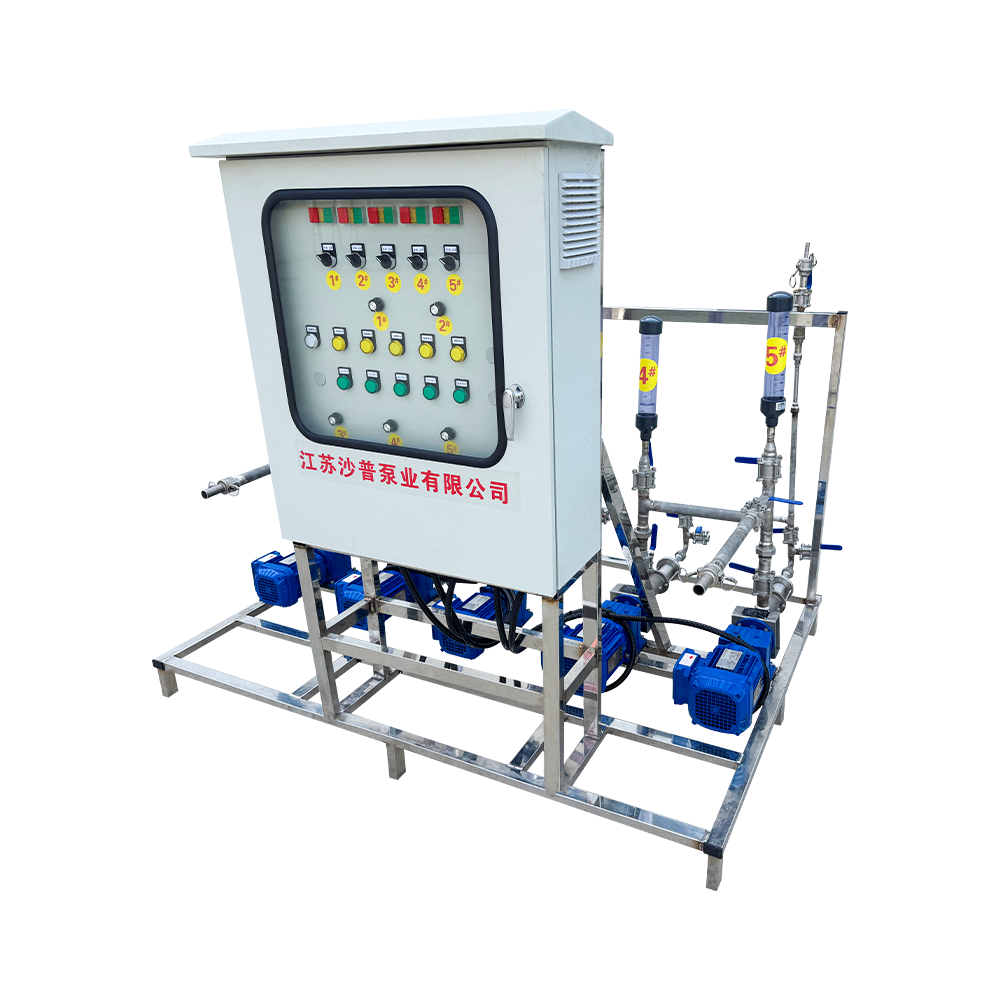
· Variable Frequency Drive (VFD): If the pump is supplied with a variable frequency motor, it is recommended to use a heavy-duty VFD. The VFD power rating should be at least 1.5 times the motor power or higher.
· Dry Run Protection: It is strongly recommended to install a dry-run protection device to prevent the pump from operating without fluid.
· System Valves: It is recommended to install both a safety valve (pressure relief valve) and a check valve on the pump discharge line to protect the system from over-pressure and prevent medium back-flow. If both valves are installed, the safety valve should be positioned closer to the pump outlet than the check valve.


 maoyaojunyfc@sppump.cn
 +86-523-84231792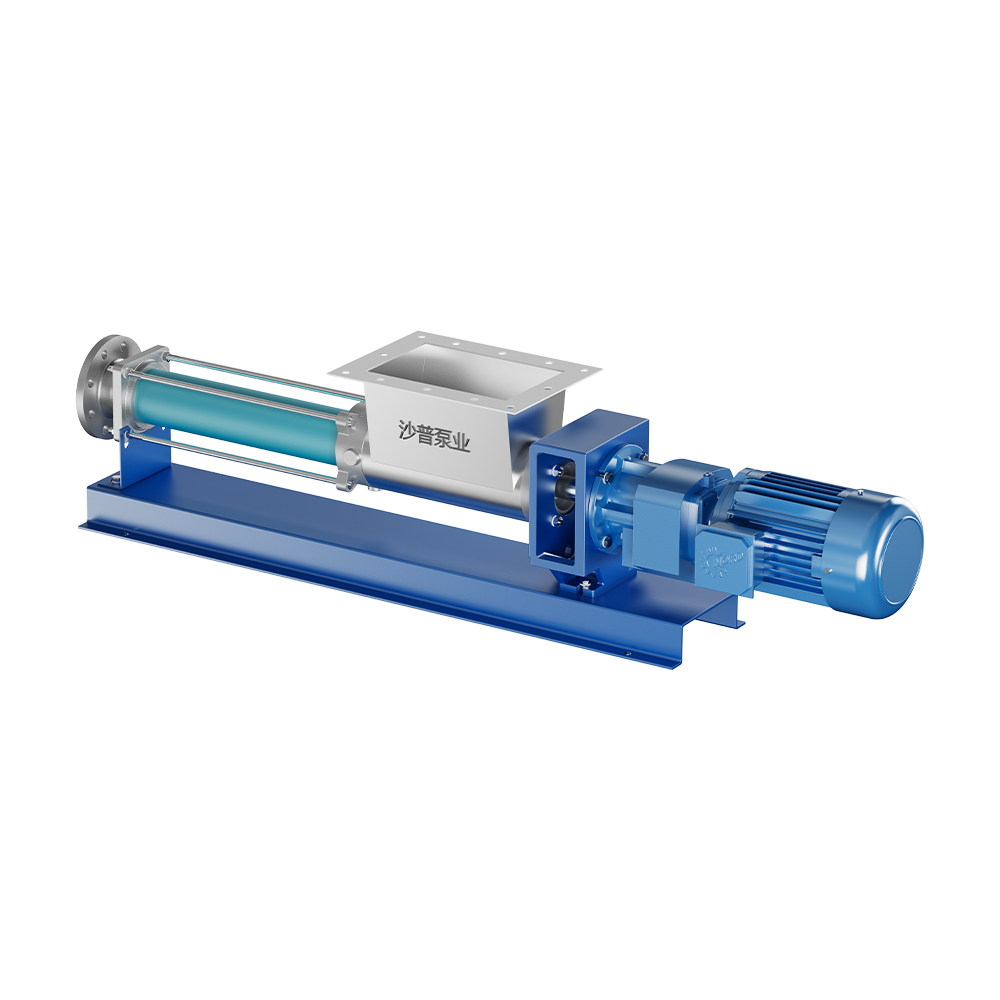











 русский
 Español
 عربى
عربى 中文简体
中文简体