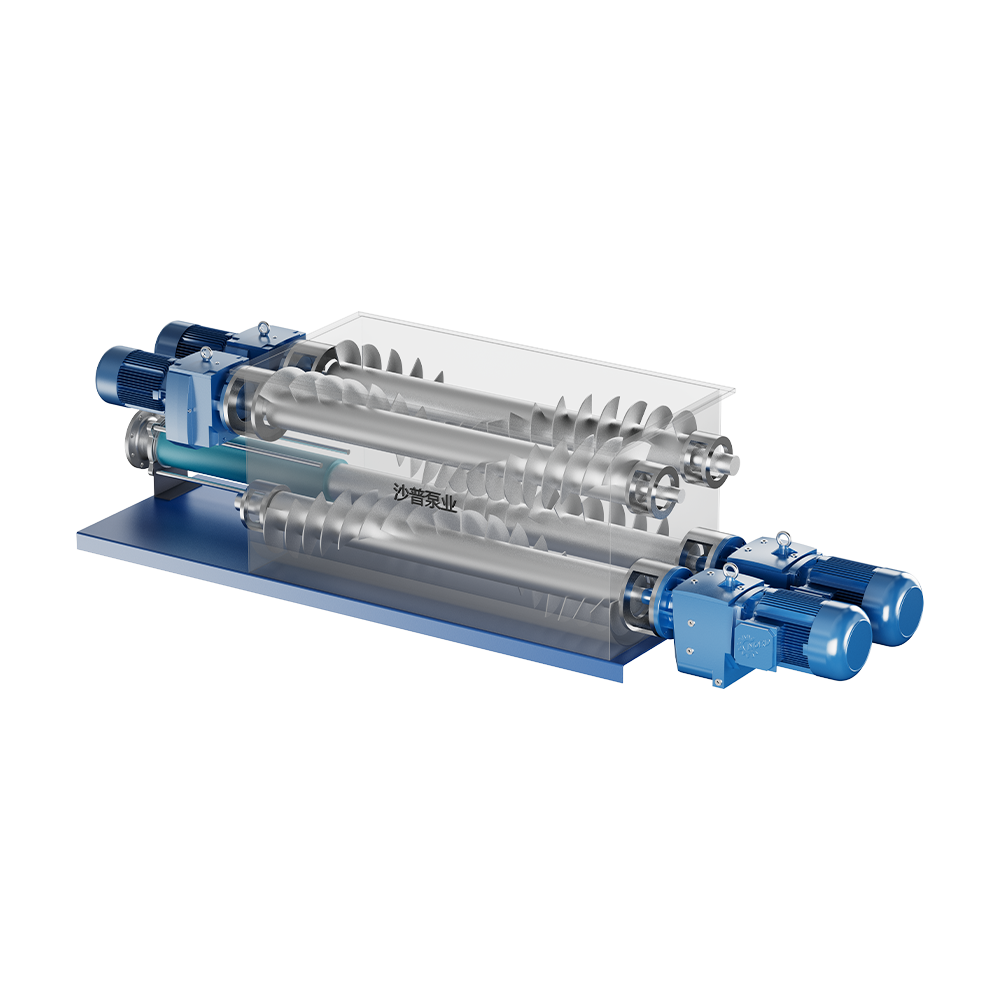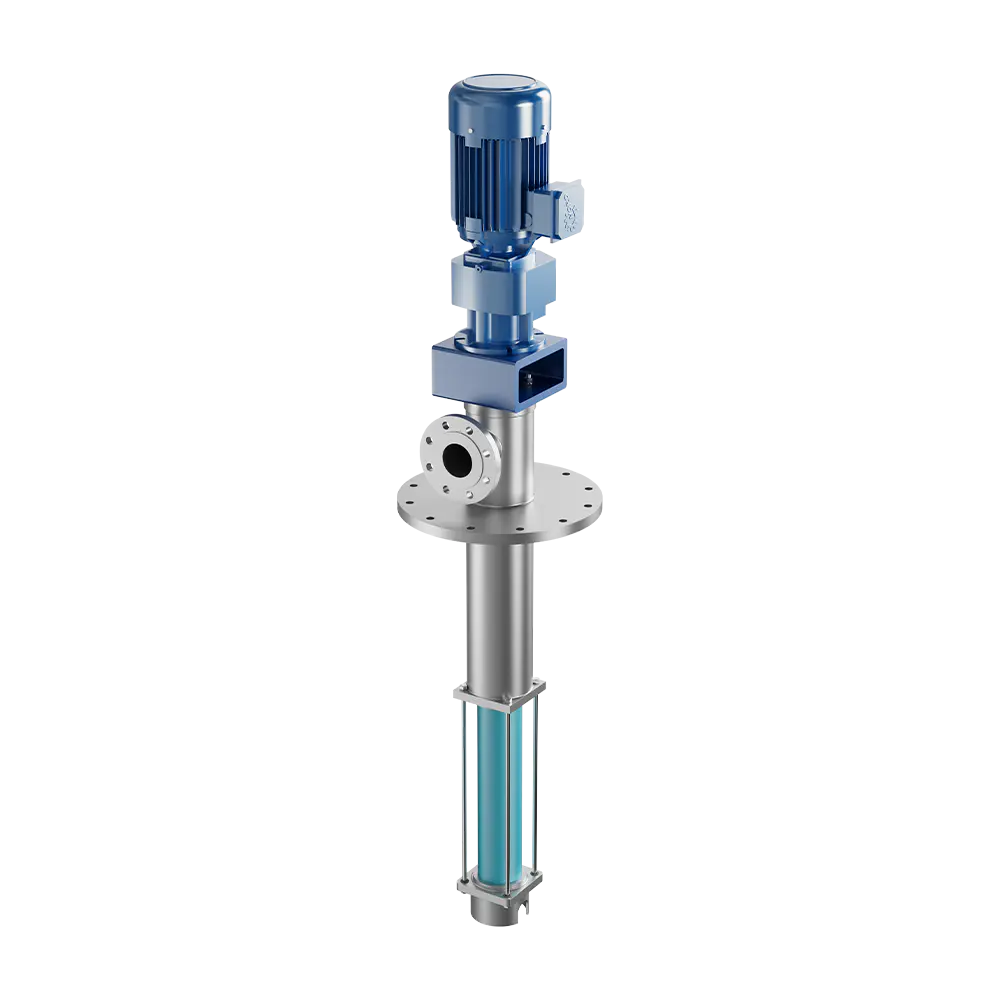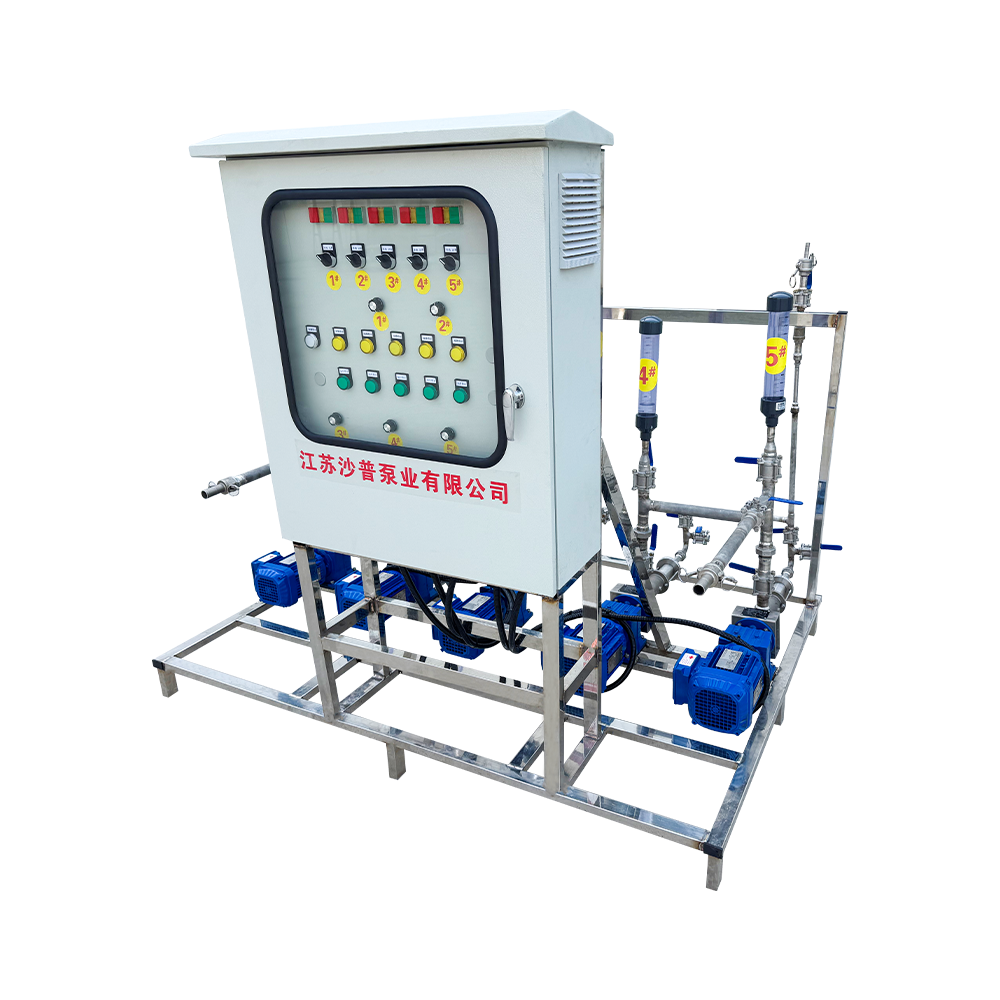
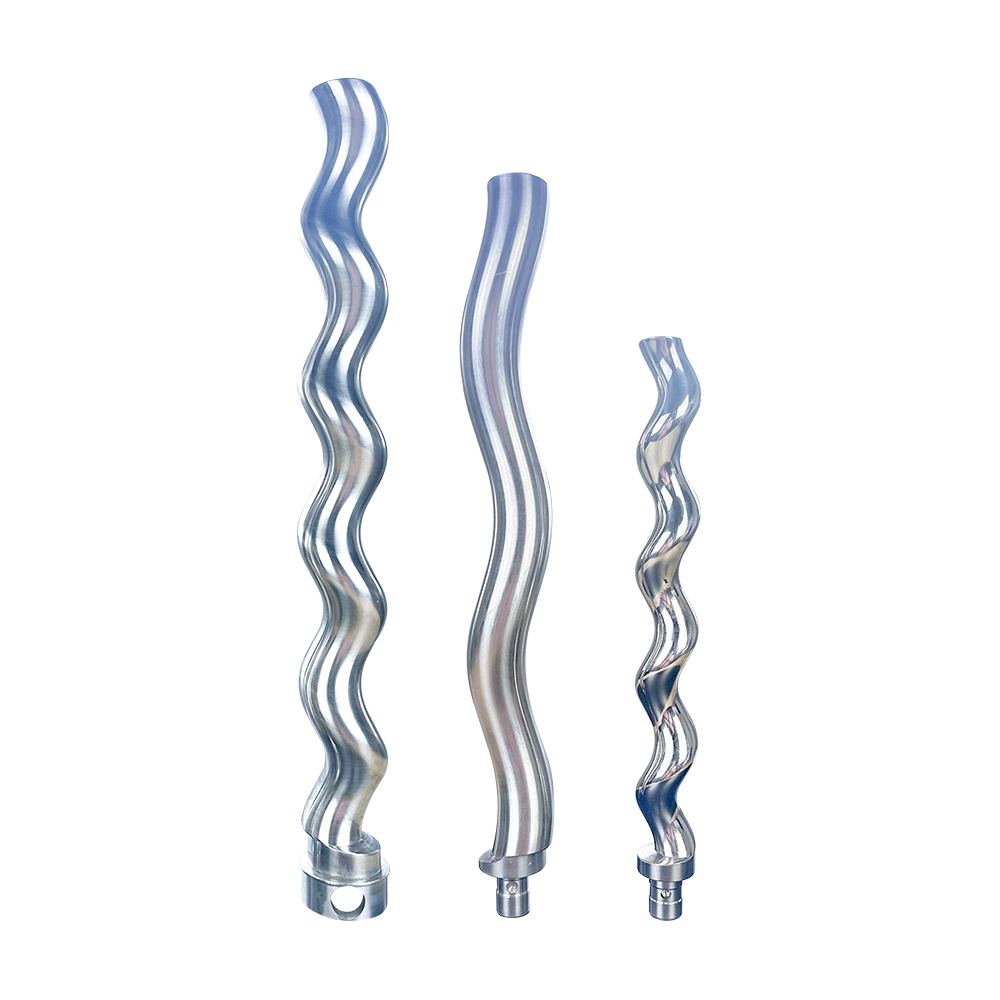
progressive-cavity-pump-rotor
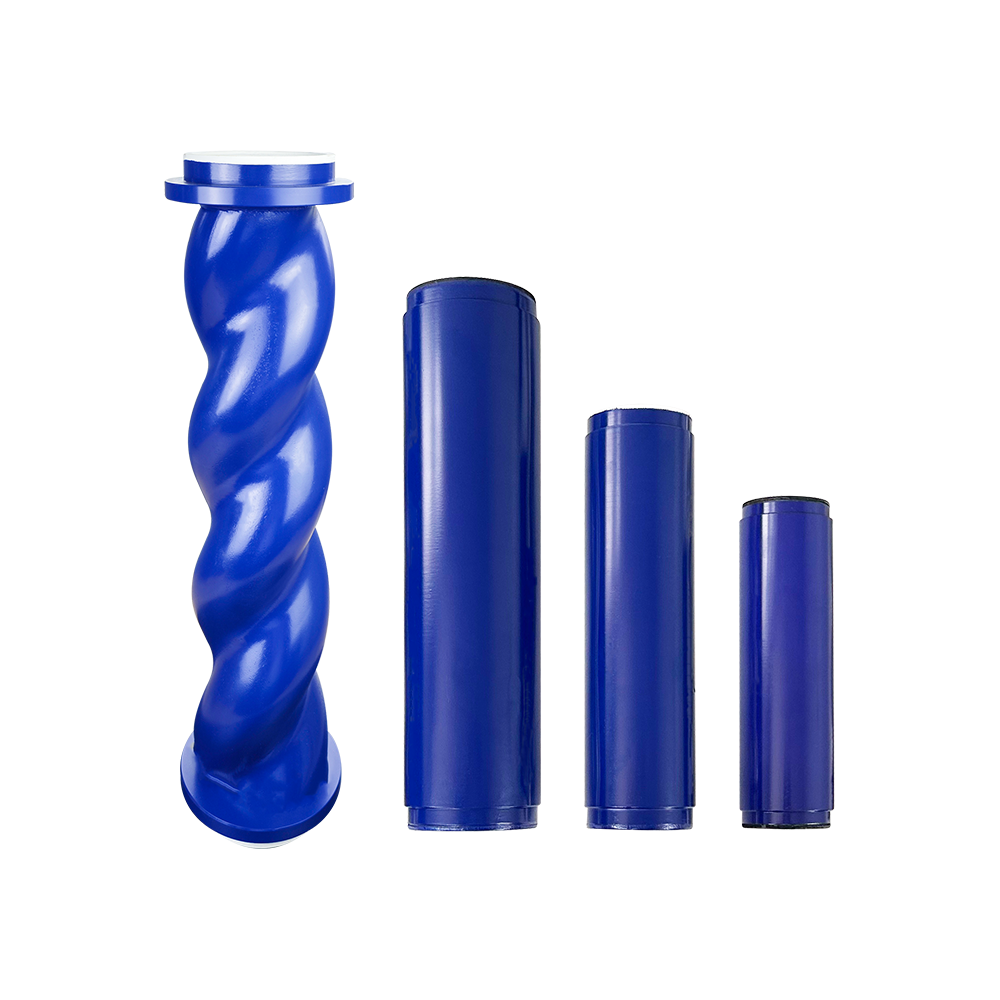
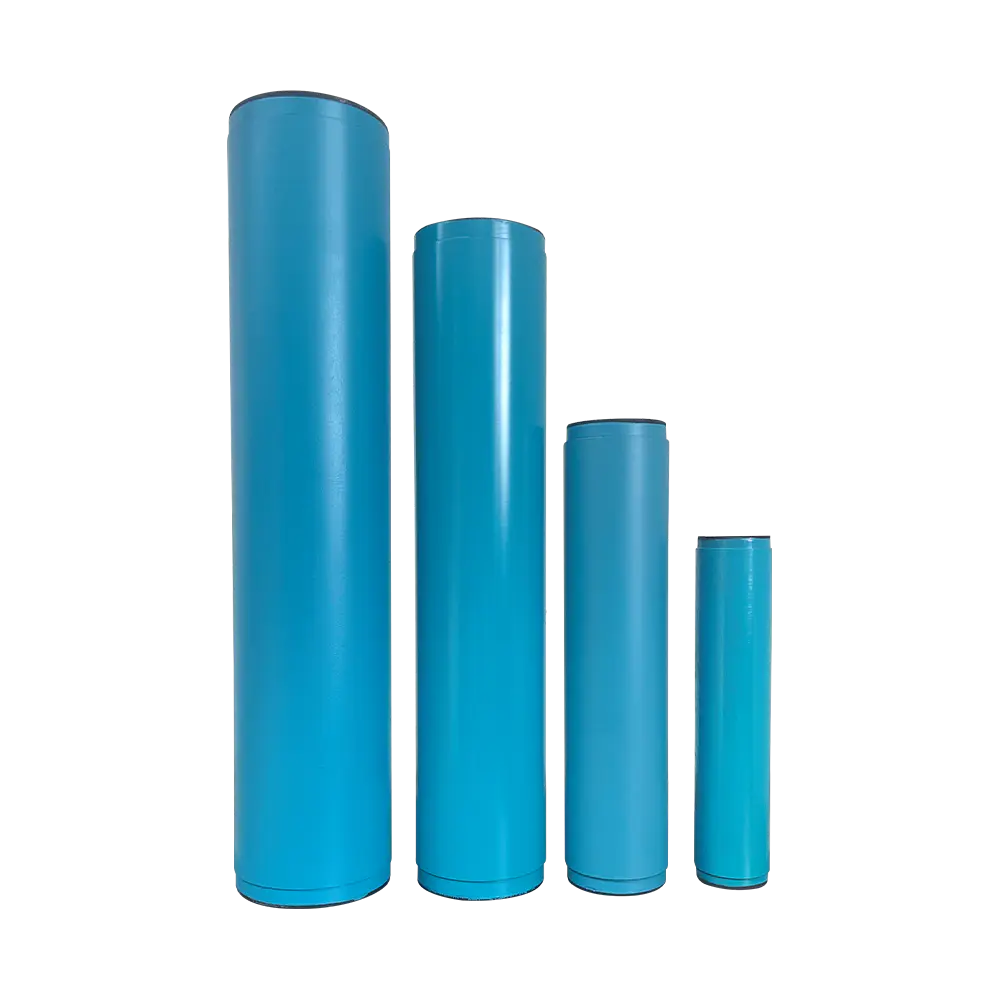
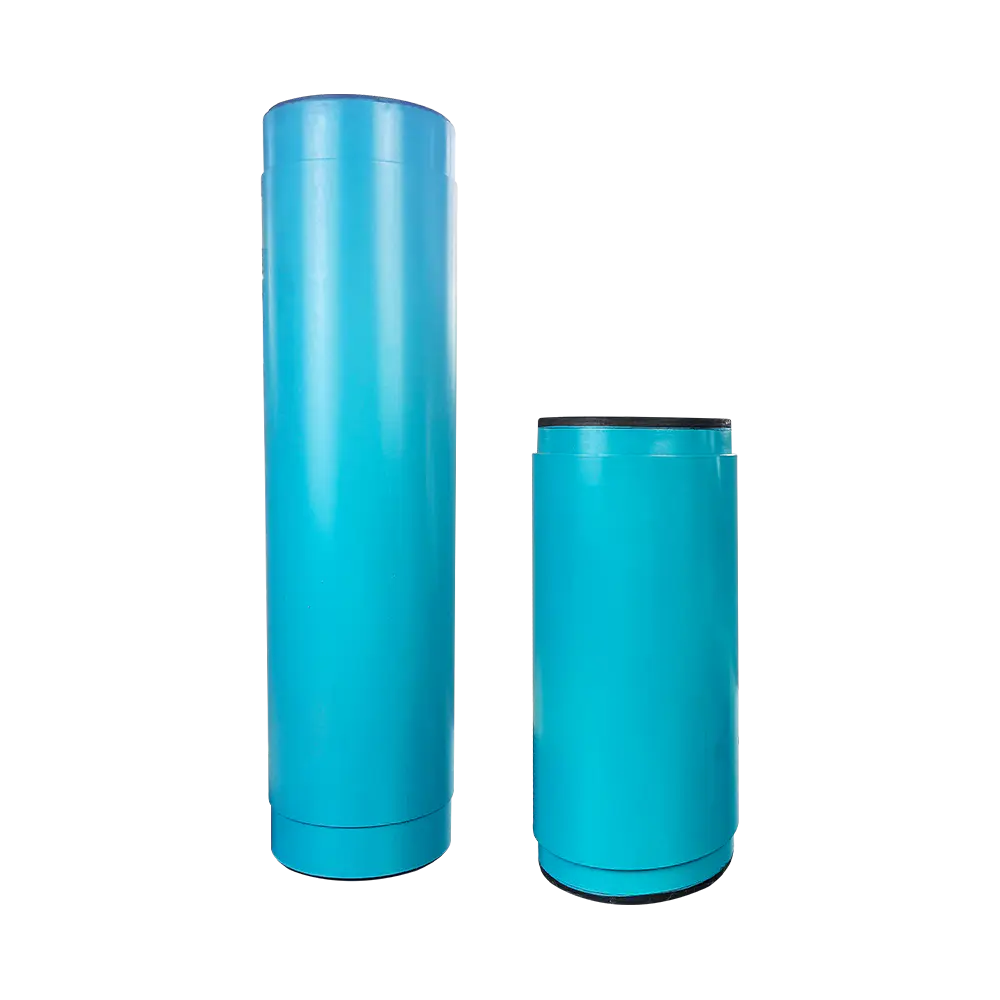
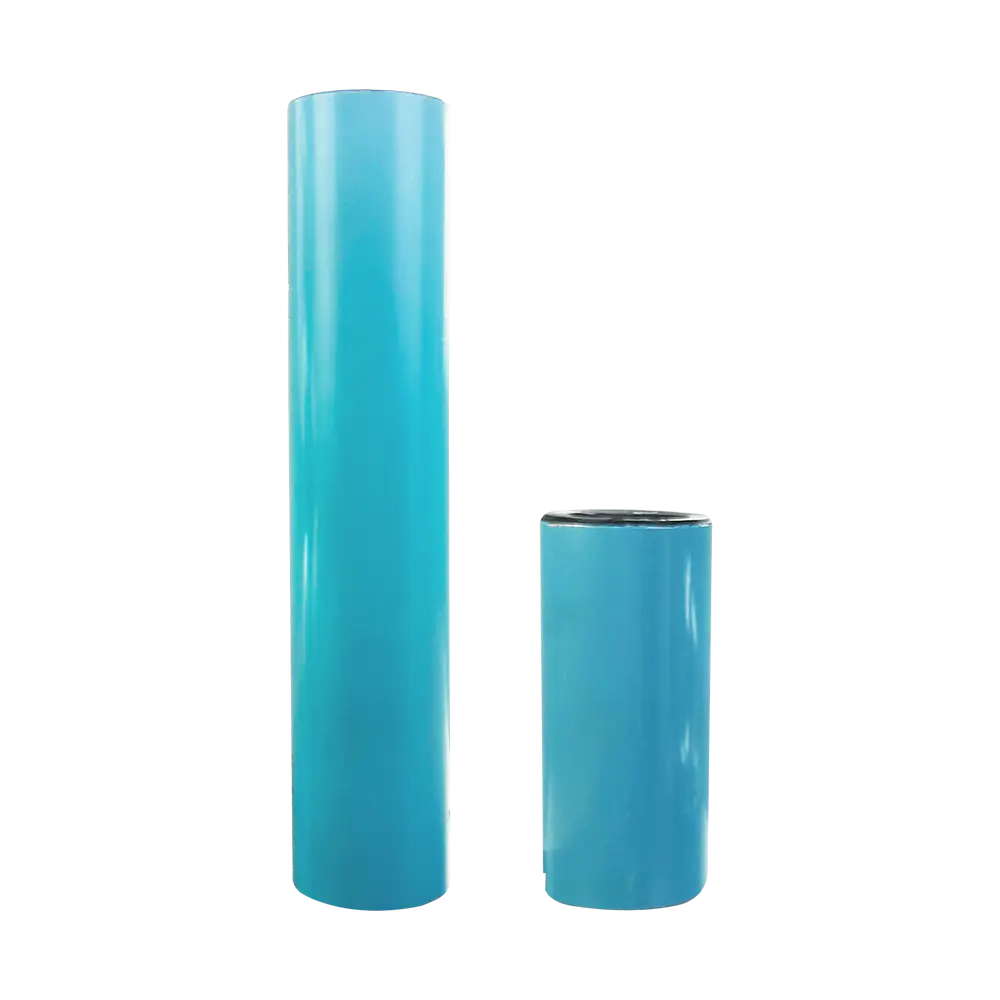
progressive-cavity-pump-stator
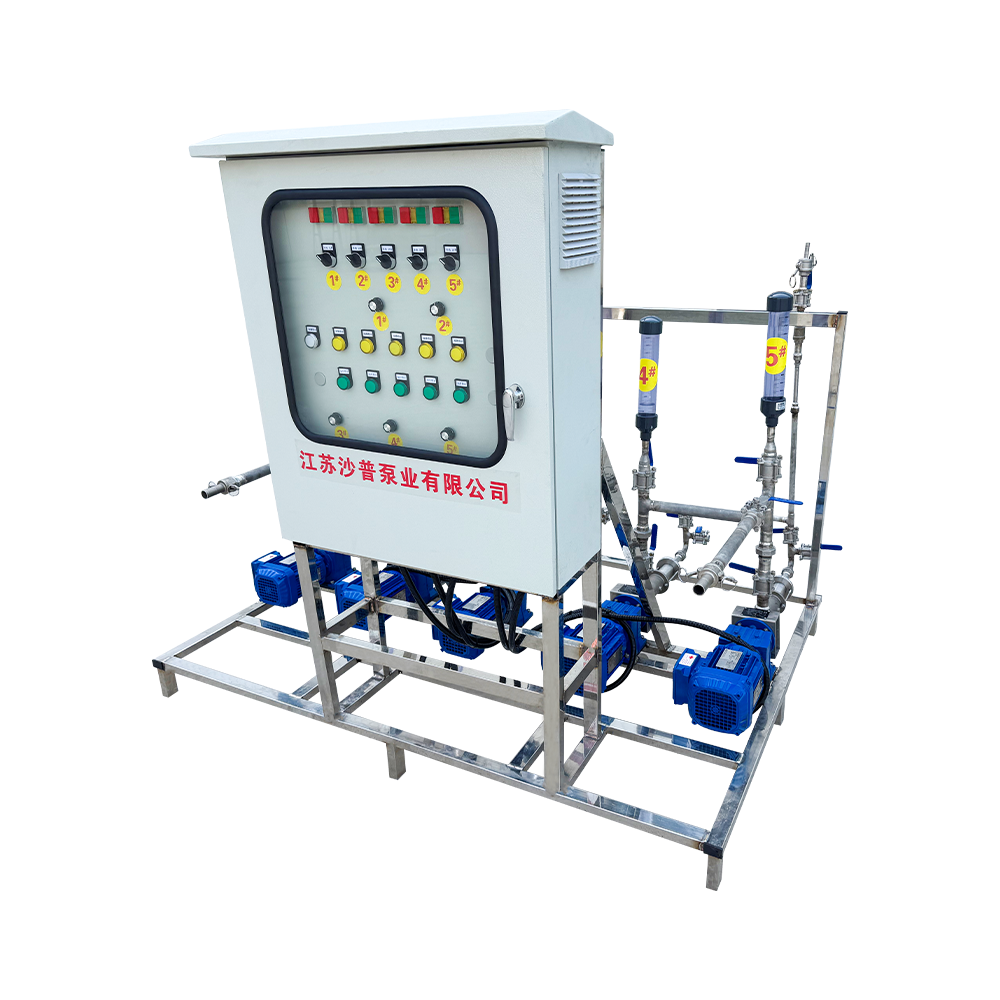
pump-system
Content
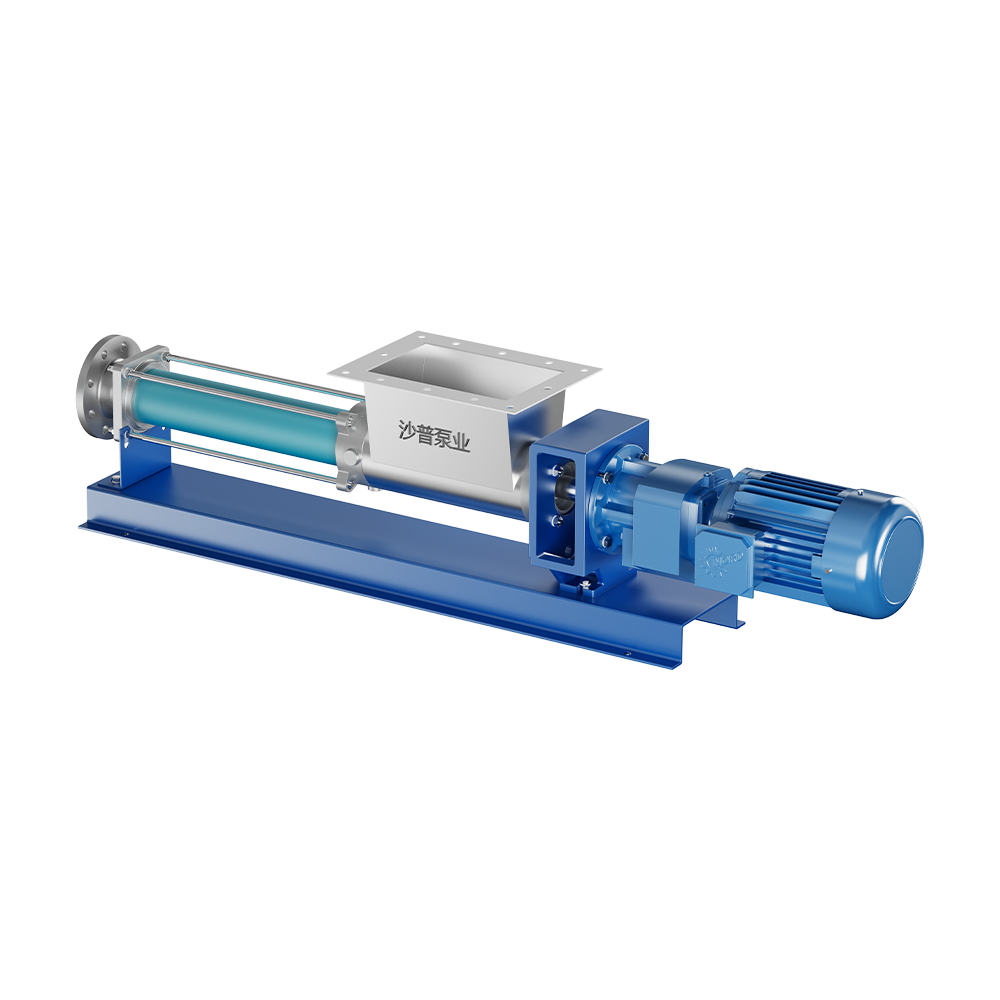
Progressive cavity pumps handle thick, abrasive, and solids-laden fluids that would quickly damage centrifugal designs. They move wastewater sludge, drilling fluids, food pastes, and chemical slurries with a gentle, pulsation-free flow. Yet many buyers discover that two pumps with identical nameplate ratings can perform very differently in the field. The gap usually traces back to the progressive cavity pump manufacturer behind the equipment, specifically how it designs, machines, and tests its core components.
Choosing a supplier is therefore a technical decision, not just a purchasing one. A pump that stops for two days to replace a worn stator costs far more than the price difference between offers. This guide walks through the criteria that separate capable manufacturers from assemblers, explains how to match a supplier to your fluid, and shows how to request an accurate quote.
A reliable progressive cavity pump manufacturer controls the three components that determine pump life: the rotor, the stator, and the drive train. Buyers should ask suppliers to explain how each is produced, not just what certifications they hold.
The rotor is a precision-ground helical shaft, usually coated for hardness and corrosion resistance. Look for suppliers that machine rotors in-house on multi-axis CNC equipment and apply a hard chrome or equivalent coating with controlled thickness. Ask about surface finish targets and how they verify them. A manufacturer that outsources rotor machining has less control over the geometry that drives sealing and wear.
The stator is typically a molded elastomer sleeve. Its compound must suit the fluid, temperature, and any aromatic or oil content. A capable manufacturer maintains its own molding process, controls cure parameters, and can explain why a particular compound was chosen for your duty. Vague answers here are a warning sign.
Factory acceptance testing separates serious manufacturers from catalog sellers. Useful checks include hydrostatic pressure testing of the pump casing, measured performance curves at several speeds, and vibration and noise readings. Request sample test reports for a similar model before committing.
| Evaluation Area | Strong Manufacturer | Weak Manufacturer |
|---|---|---|
| Rotor production | In-house CNC machining | Outsourced without inspection |
| Stator compound | Application-specific formulation | One standard compound for all duties |
| Testing | Performance curves and pressure tests | Visual check only |
| Documentation | Traceable serial and test records | Generic datasheet |
The best supplier for a wastewater plant is not always the best for a food line. Strong manufacturers ask detailed questions about your process before proposing equipment. Below are three common application groups and what to verify with each.
Viscous products benefit from low rotational speeds, which reduce slip and protect product structure. A knowledgeable manufacturer will recommend a motor and variable frequency drive combination matched to the target flow range, rather than selling a single fixed-speed unit.
Sanitary applications require hygienic design, smooth surfaces, and materials documented for food contact. Look for suppliers who can discuss cleaning-in-place compatibility, drainability, and certification frameworks such as 3-A or EHEDG principles. Ask for material traceability statements.
A low purchase price can conceal higher operating costs. Lifetime cost depends on wear part life, spare parts availability, and energy use. A quote that looks 20 percent cheaper may cost far more over five years if stators need replacing twice as often.
Stators and universal joints are the main consumables. Ask for their replacement intervals under your conditions and their unit prices. Transparent suppliers provide this information willingly and can estimate annual spares spend for your duty.
Downtime is the most expensive variable. Confirm whether the manufacturer holds rotor, stator, and joint stock in your region, and what the realistic dispatch time is for urgent orders.
Hydraulic design affects how much power is wasted on slip and internal recirculation. Ask for the efficiency curve at your operating point, not just the best-efficiency point on a brochure.
Initial equipment price, typically the smallest share of lifetime cost
Stator and joint replacement, driven by fluid compatibility and duty
Power consumed over years of operation, shaped by hydraulic design
Lost production during repairs, reduced by local spares and fast dispatch
An accurate quote starts with complete application data. Sending the following information to a progressive cavity pump manufacturer allows its engineers to size the pump, select materials, and propose a motor and drive without repeated back-and-forth.
| Parameter | Example Entry | Why It Matters |
|---|---|---|
| Flow rate | 12 to 18 cubic meters per hour | Sets pump size and speed |
| Pressure | 6 bar discharge | Determines stage geometry and motor power |
| Solids content | 8 percent by weight | Drives inlet design and rotor coating |
| Temperature | 45 degrees Celsius | Governs stator elastomer selection |
Reputable suppliers respond with a sizing calculation and technical datasheet. If you are comparing offers, ask each manufacturer to quote against the same specification so the results are directly comparable.
Standard configurations often ship within a few weeks, while custom materials, special coatings, or explosion-proof motors can extend the schedule. Ask for a written lead time and whether critical spares are held in stock.
Yes, if the replacement is sized from the original duty data and the connection dimensions, rotor geometry, and drive arrangement are verified. Providing the existing pump's nameplate data, operating records, and photos greatly improves the match.
Quality management certification such as ISO 9001 shows process discipline. Depending on your site, you may also need CE conformity, ATEX marking for hazardous areas, or hygienic material documentation for food and pharmaceutical use. Request copies rather than relying on verbal assurances.

 maoyaojunyfc@sppump.cn
 +86-523-84231792













 русский
 Español
 عربى
 中文简体