 maoyaojunyfc@sppump.cn
 +86-523-84231792









 русский
 Español
 عربى
 中文简体
Mechanical seals are important components in industrial pumps because they help control leakage where a rotating shaft passes through a stationary pump housing. The right seal can support safe operation, reduce product loss and help prevent contamination around the equipment. However, seal performance depends on more than the seal model alone. Fluid properties, pressure, temperature, shaft movement, installation accuracy and operating practices all influence service life. Understanding these factors helps engineers and maintenance teams select appropriate sealing arrangements and investigate failures more effectively.
Content
- 1 Why Industrial Pumps Need Shaft Sealing
- 2 How a Mechanical Seal Works
- 3 Common Types of Mechanical Seals
- 4 Factors to Consider When Selecting Mechanical Seals
- 5 Common Causes of Mechanical Seal Failure
- 6 Installation Practices That Support Seal Reliability
- 7 Maintenance and Condition Monitoring
- 8 Mechanical Seals for Progressive Cavity Pumps
- 9 How to Request the Correct Replacement Seal
- 10 Choosing a Mechanical Seal Supplier
- 11 Conclusion
Why Industrial Pumps Need Shaft Sealing
Many industrial pumps transfer fluids under pressure while using a rotating shaft to drive the pumping mechanism. Where the shaft passes through the pump casing, a sealing arrangement is required to limit leakage between the rotating and stationary parts.
The requirements vary by application. A pump handling clean water may have different sealing needs from one transferring corrosive chemicals, abrasive slurry, hot process liquid or a hazardous medium. The consequences of leakage can also vary, ranging from product loss and housekeeping issues to environmental concerns or personnel exposure.
Mechanical seals are commonly selected where controlled leakage is important and the operating conditions are suitable for the chosen design. They are not interchangeable without considering the pump configuration, shaft dimensions and service conditions.
How a Mechanical Seal Works
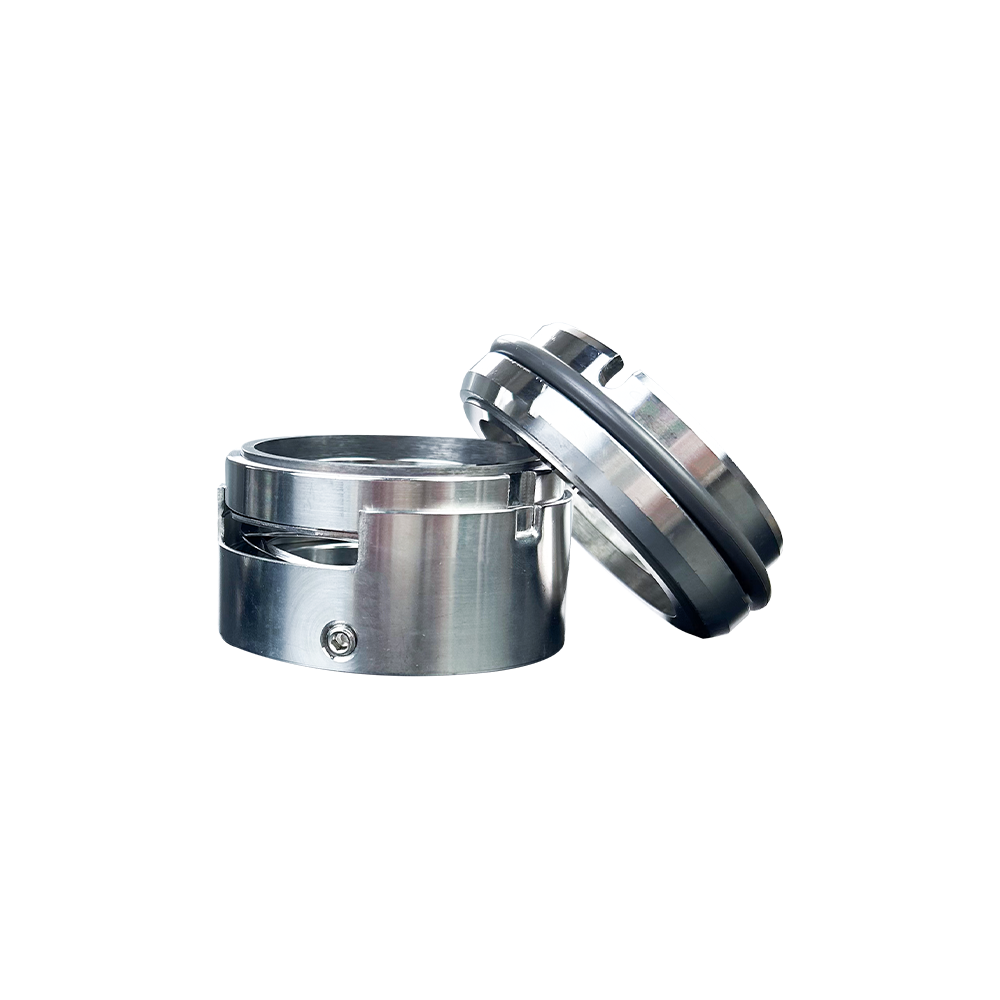
A typical mechanical seal uses two primary sealing faces. One face rotates with the shaft, while the other remains stationary in the seal housing. The faces are maintained in controlled contact by a combination of spring force, hydraulic forces and the seal's design.
A thin fluid film may form between the faces during operation, helping reduce friction and heat. The precise behavior depends on the seal design, fluid properties, speed, pressure and temperature. The secondary seals, such as O-rings or other elastomeric elements, help prevent leakage around the seal components.
Because the primary faces operate under carefully controlled conditions, contamination, inadequate lubrication, excessive heat or installation damage can affect performance. A seal that is suitable for one service may not be appropriate for another with different operating demands.
Common Types of Mechanical Seals
Single Mechanical Seals
A single mechanical seal uses one primary pair of sealing faces. It is often considered for applications where the fluid and operating conditions can be managed by a single seal arrangement. Its suitability depends on the required leakage control, fluid characteristics and consequences of a seal failure.
Before choosing a single seal, evaluate the fluid's hazard level, operating pressure and temperature, and the consequences of leakage. The seal materials and installation configuration must match the intended service.
Double Mechanical Seals
A double mechanical seal uses two sealing interfaces arranged in a configuration designed for the application. Depending on the arrangement, a barrier or buffer fluid may be used between the seals. The system may offer additional control for certain demanding duties, but it also introduces requirements for auxiliary equipment, monitoring and fluid management.
Double seals should not be selected solely because they appear more robust. Their suitability depends on the pump, the process fluid, the support system and the required operating strategy.
Cartridge Mechanical Seals
A cartridge seal is assembled as a unit to simplify handling and installation. Its components are arranged and set by the seal manufacturer, which can reduce some of the adjustment steps associated with assembling individual parts on site.
Cartridge construction does not eliminate the need for correct installation. Shaft dimensions, equipment condition, alignment and the manufacturer's installation instructions remain important. Incorrect handling or installation can still damage the sealing faces or secondary sealing elements.
MG Series and M7N Mechanical Seals
MG Series and M7N Mechanical Seals are product designations used in certain industrial sealing product ranges. The exact specifications, dimensions, materials and compatibility must be confirmed against the relevant manufacturer's documentation. A model name alone is not enough to establish that a seal will fit a particular pump or perform safely in a specific fluid.
When considering a replacement, compare the original seal designation, shaft size, installation dimensions, material combination and operating limits. If the original equipment information is incomplete, consult the supplier before assuming that a visually similar model is interchangeable.
Factors to Consider When Selecting Mechanical Seals
1. Fluid Compatibility
The seal's primary faces and secondary sealing elements must be compatible with the process fluid. Chemical exposure can damage elastomers, corrode metal components or alter the behavior of sealing materials. Fluid concentration, temperature and cleaning chemicals should be included in the evaluation.
For mixed or changing process streams, provide the supplier with the full fluid information wherever possible. A general description such as solvent, oil or chemical liquid may not be sufficient to confirm material suitability.
2. Operating Pressure and Temperature
Pressure and temperature influence the mechanical loads and thermal conditions experienced by the seal. Operating outside the seal's intended limits can lead to leakage, accelerated wear or component damage.
Selection should account for normal operation as well as startup, shutdown and foreseeable process variations. The pump's actual operating conditions should be compared with the technical limits supplied for the seal arrangement.
3. Shaft Speed and Movement
Shaft speed affects frictional heating at the sealing faces. Shaft runout, vibration, misalignment or excessive movement can also disturb the sealing interface. A seal cannot compensate for every mechanical problem elsewhere in the equipment.
If a replacement seal fails repeatedly, inspect the shaft, bearings, coupling and installation arrangement. Correcting a mechanical fault may be necessary before a new seal can operate reliably.
4. Primary Face and Secondary Seal Materials
Mechanical seals may use different combinations of face materials and elastomers, depending on the application. Each material has its own wear, chemical and temperature characteristics. The correct combination should be selected for the fluid and operating environment rather than chosen solely by purchase price.
5. Installation Space and Configuration
Available installation dimensions, gland design, shaft diameter and auxiliary connections can determine which seal configurations are suitable. Cartridge seals, component seals and double-seal arrangements have different installation requirements. Confirm the equipment interface before ordering.
Common Causes of Mechanical Seal Failure
Leakage is one of the most visible signs of a potential seal problem, but it does not identify the root cause by itself. Seal failure may result from unsuitable materials, installation errors, contamination, overheating or mechanical issues in the pump.
- Dry operation or inadequate lubrication: The sealing faces may overheat when the required fluid film or cooling conditions are absent.
- Contamination: Particles can scratch or damage the primary faces and interfere with proper sealing.
- Incorrect installation: Damaged O-rings, poor handling or incorrect positioning can lead to early leakage.
- Material incompatibility: Chemical exposure or temperature can degrade secondary seals or other components.
- Shaft misalignment or vibration: Excessive movement may prevent the sealing faces from maintaining stable operating conditions.
- Unsuitable operating conditions: Pressure, speed or temperature beyond the seal's limits may shorten service life.
Safety note: Before inspecting or replacing a mechanical seal, isolate the pump, depressurize the system and follow the site's lockout procedures. Hazardous or hot fluids must be handled according to the applicable safety requirements.
Installation Practices That Support Seal Reliability
Correct installation begins with checking the equipment and the replacement seal before assembly. Confirm the model, dimensions, material specification and any handling restrictions. Inspect the shaft and seal chamber for damage, contamination or irregularities that could affect the sealing interface.
Follow the seal manufacturer's installation instructions, including requirements for lubrication, setting dimensions and tightening procedures. Avoid touching or scratching the primary sealing faces. Components should be handled carefully, and any protective devices should be removed only at the stage specified in the instructions.
After installation, verify that the pump and any required auxiliary systems are ready for operation. Startup procedures should follow the equipment manufacturer's recommendations. Unexpected leakage, noise or temperature changes should be investigated rather than ignored.
Maintenance and Condition Monitoring
Mechanical seal maintenance should be based on the severity of the application and the equipment's operating history. Routine checks may include observing leakage, recording temperature and vibration, inspecting the auxiliary system where fitted, and reviewing changes in operating pressure or speed.
Trend data can help identify deterioration before it causes an unplanned shutdown. A small change in leakage behavior may have several possible explanations, so operators should compare the observation with previous readings and current process conditions.
When a seal is removed, examine the primary faces, elastomers, springs and other components where the design permits. Damage patterns may help distinguish between contamination, overheating, chemical attack and installation-related problems. Record the service period and failure observations to improve future selection and maintenance decisions.
Mechanical Seals for Progressive Cavity Pumps
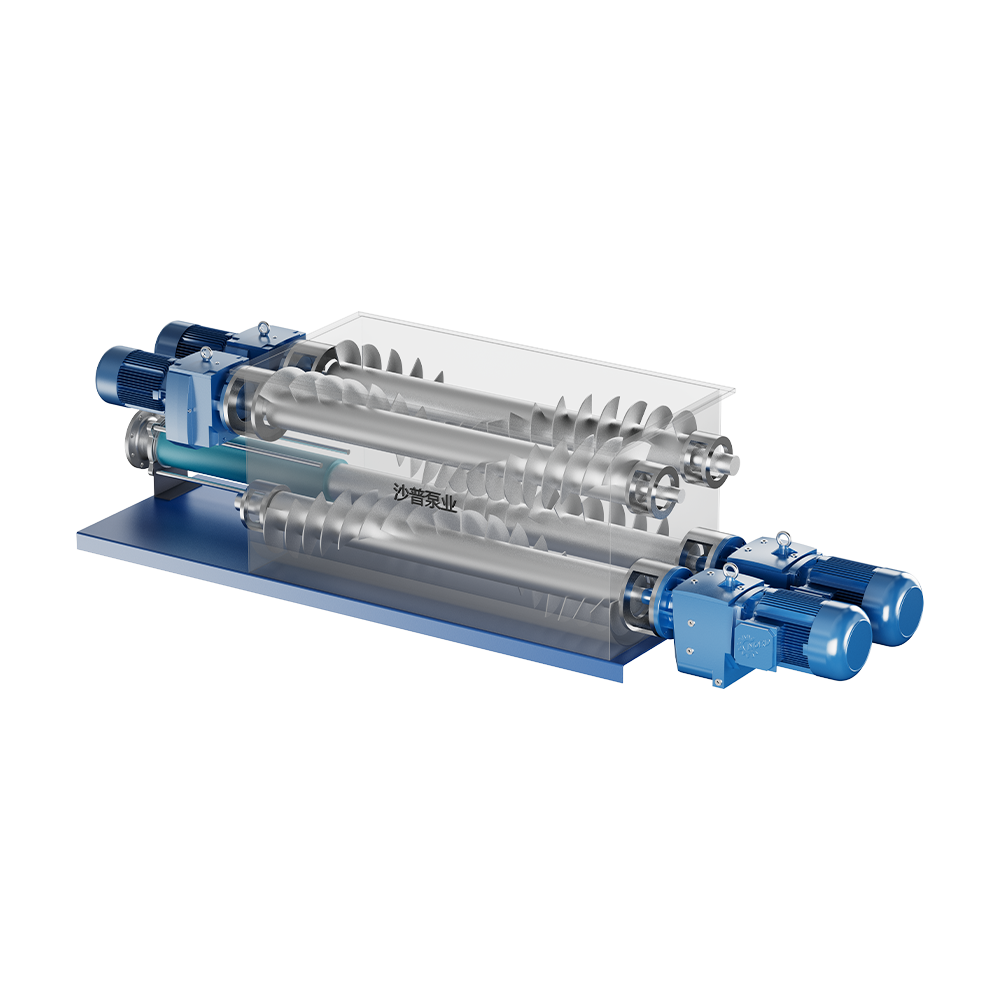
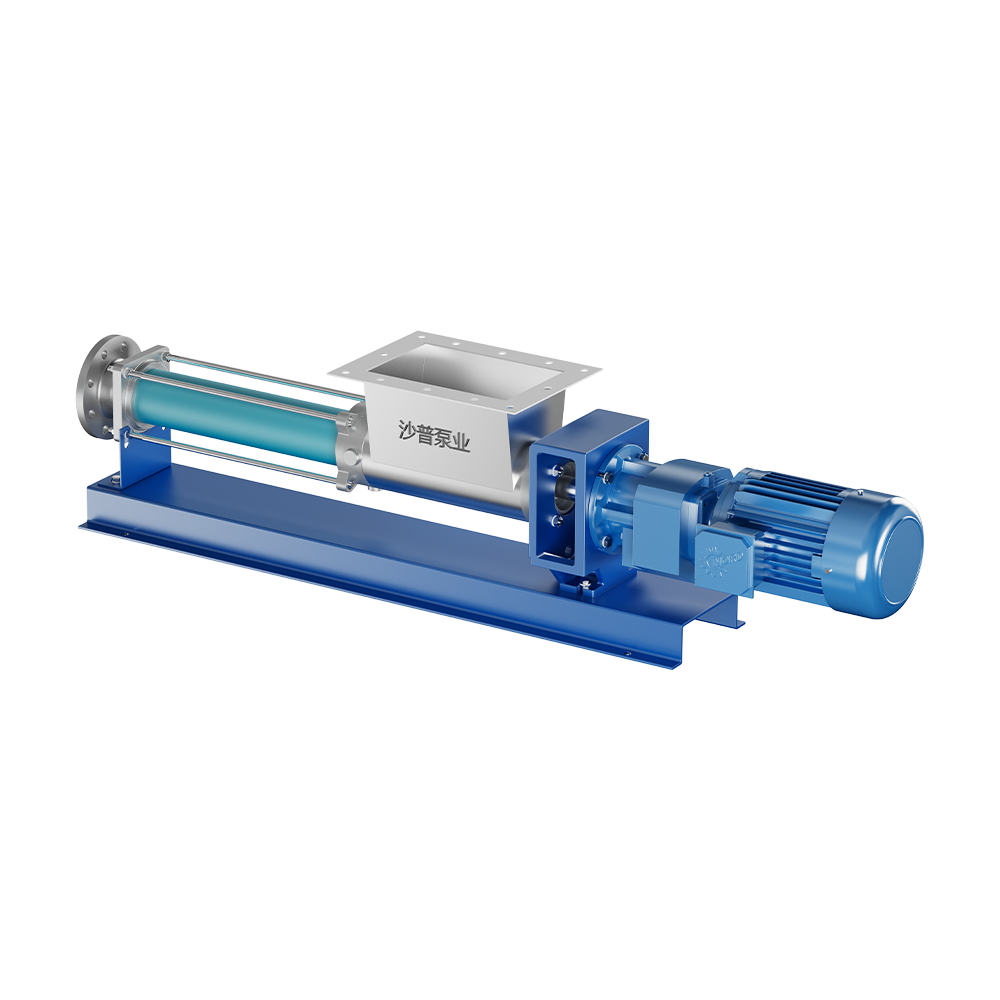
In a progressive cavity pump, the shaft sealing arrangement must be compatible with the pump design and the transferred medium. Applications involving viscous fluids, abrasive solids or corrosive chemicals may place additional demands on sealing materials and maintenance procedures.
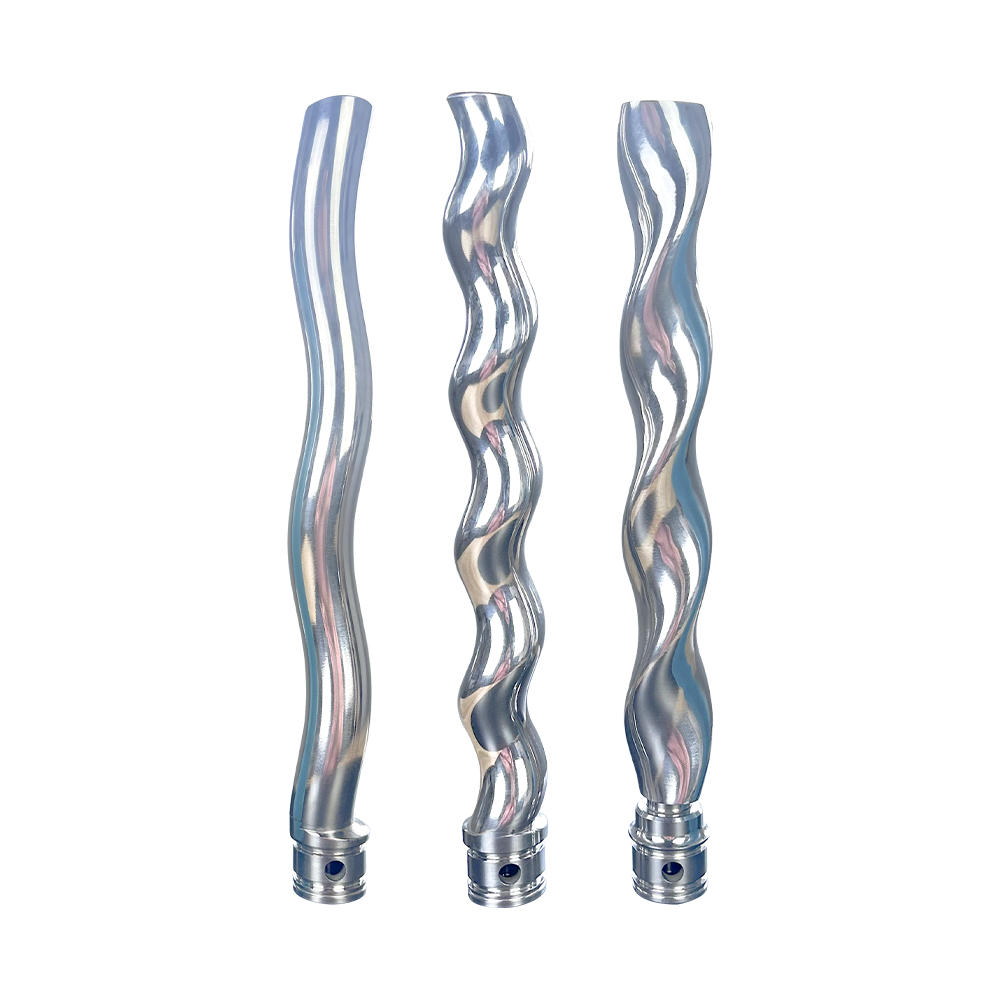
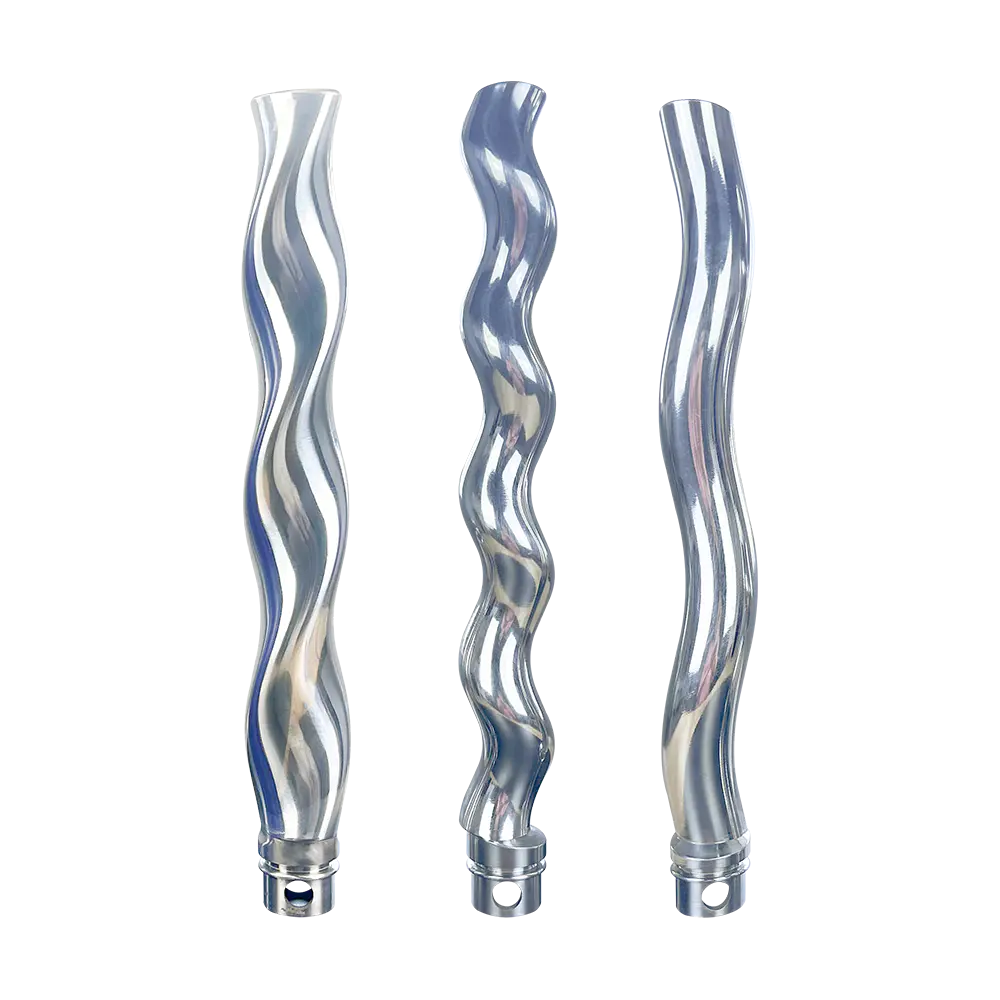
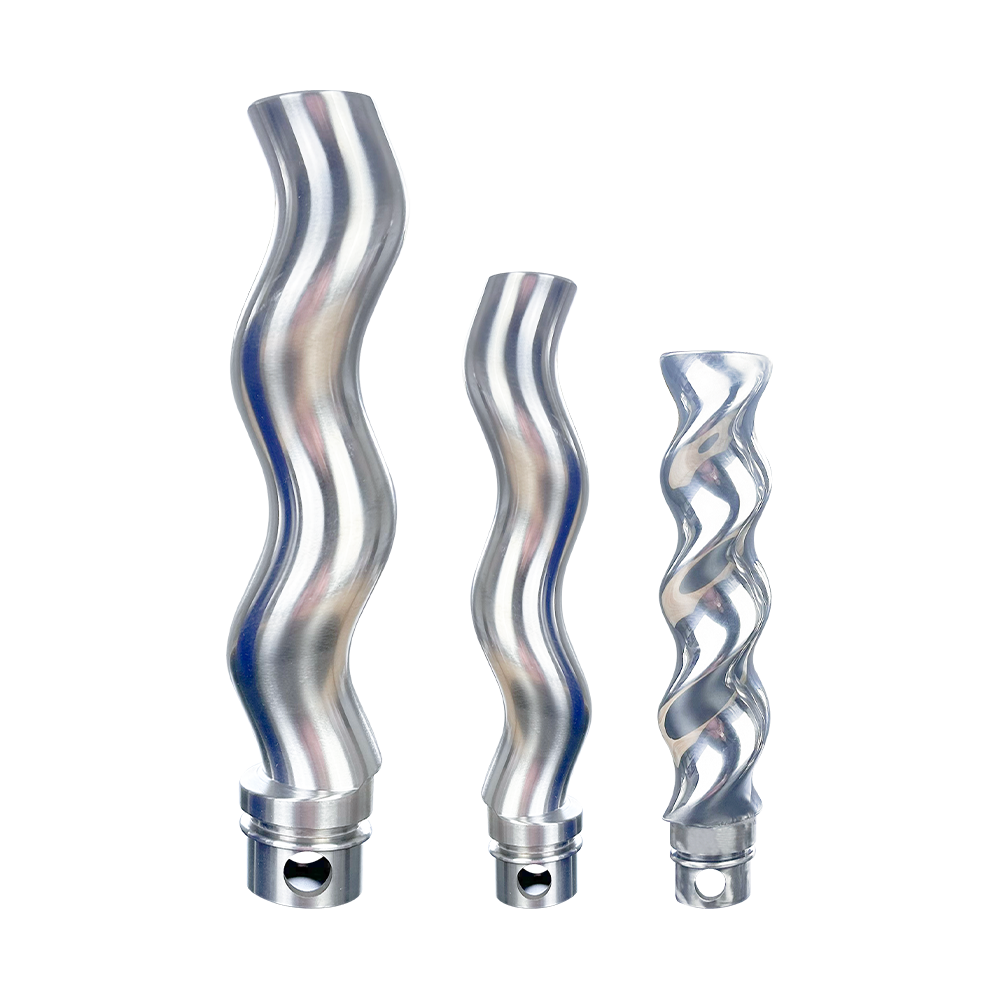
The seal should be evaluated together with the rotor, stator, drive arrangement and process conditions. If the pump's operating pressure, speed or fluid composition changes, the original seal selection may need to be reviewed. The correct solution depends on the actual pump configuration and should be confirmed with the relevant technical documentation.
How to Request the Correct Replacement Seal
Providing accurate information helps reduce the risk of ordering an incompatible part. When contacting a supplier, prepare the following details where available:
- Original seal manufacturer, model and part number.
- Pump model and shaft diameter.
- Seal installation dimensions or technical drawing.
- Process fluid, concentration and temperature.
- Operating pressure and shaft speed.
- Required primary face and secondary seal materials, if known.
- Observed leakage pattern or reason for replacement.
If the original part number is unavailable, photographs and measured dimensions can help with preliminary identification. However, visual similarity should not be treated as proof of interchangeability. Important dimensions and material requirements should be confirmed before the replacement is selected.
Choosing a Mechanical Seal Supplier
A reliable supplier should be able to clarify product specifications, confirm dimensions and discuss application compatibility. Consistent manufacturing quality, clear documentation and technical support can help maintenance teams make better replacement decisions.
Jiangsu Sharp Pump Co., Ltd. offers pump-related products and sealing components for industrial applications. When requesting information about a mechanical seal, provide the original equipment details and operating conditions so the proposed product can be evaluated against the actual requirement.
Conclusion
Mechanical seals help control leakage and support the reliable operation of industrial pumps. Their performance depends on the correct design, suitable material selection, accurate installation and operating conditions that remain within the specified limits.
When leakage or premature failure occurs, investigate the complete sealing system rather than replacing the seal without reviewing the cause. By confirming compatibility, monitoring operating conditions and keeping clear maintenance records, plant operators can make more informed decisions about seal selection and replacement.