 maoyaojunyfc@sppump.cn
 +86-523-84231792









 русский
 Español
 عربى
 中文简体
The progressive cavity pump stator is a critical component that works with the rotor to create the moving cavities used for fluid transfer. In many pump designs, the stator includes an elastomeric lining whose material properties influence sealing performance, chemical compatibility and service life. Choosing the correct stator requires an understanding of the transferred medium, operating temperature, pressure, pump speed and expected wear mechanism. When these factors are overlooked, even a correctly installed pump may experience premature deterioration or unstable performance.
Content
- 1 What Is a Progressive Cavity Pump Stator?
- 2 Why Stator Material Selection Matters
- 3 Common Causes of Progressive Cavity Pump Stator Wear
- 4 Signs That a Stator Needs Inspection or Replacement
- 5 How to Choose a Replacement Stator
- 6 Why Rotor-Stator Compatibility Is Essential
- 7 Installation and Maintenance Practices
- 8 Information to Share With a Stator Supplier
- 9 Working With a Progressive Cavity Pump Stator Supplier
- 10 Conclusion
What Is a Progressive Cavity Pump Stator?
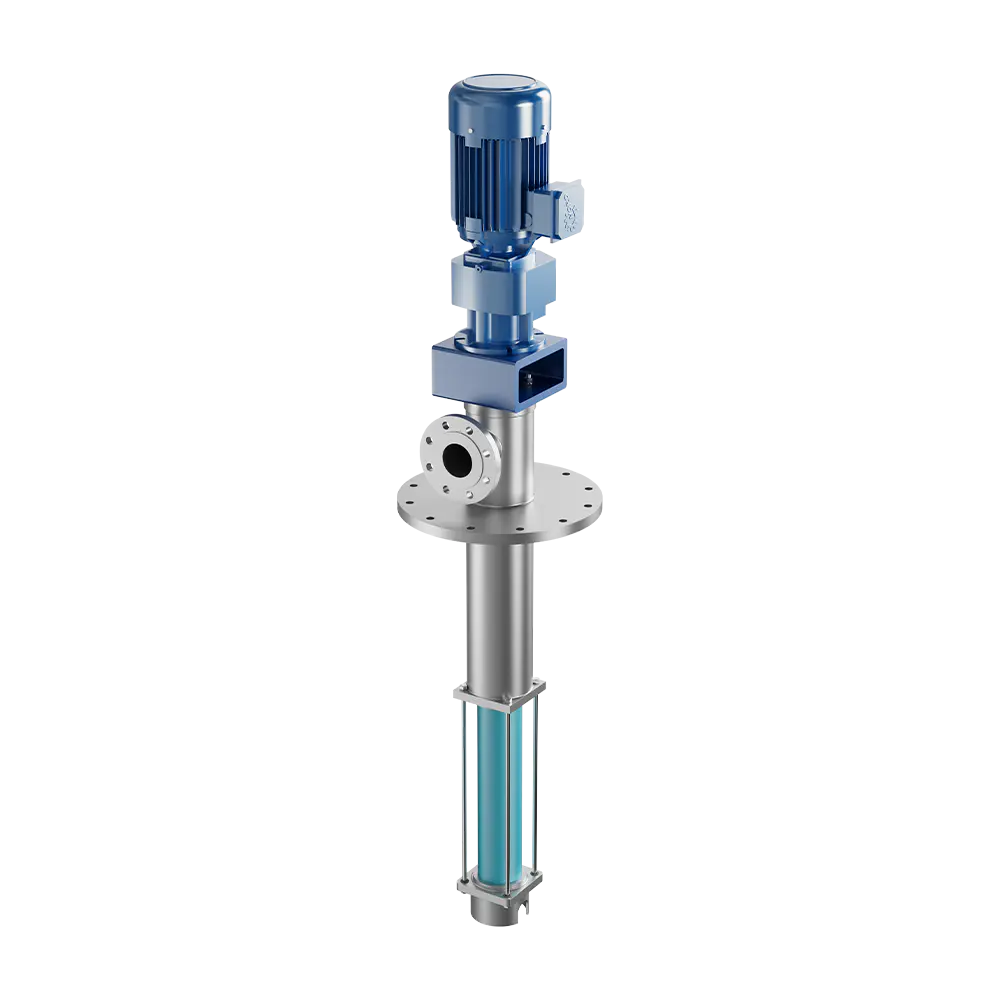
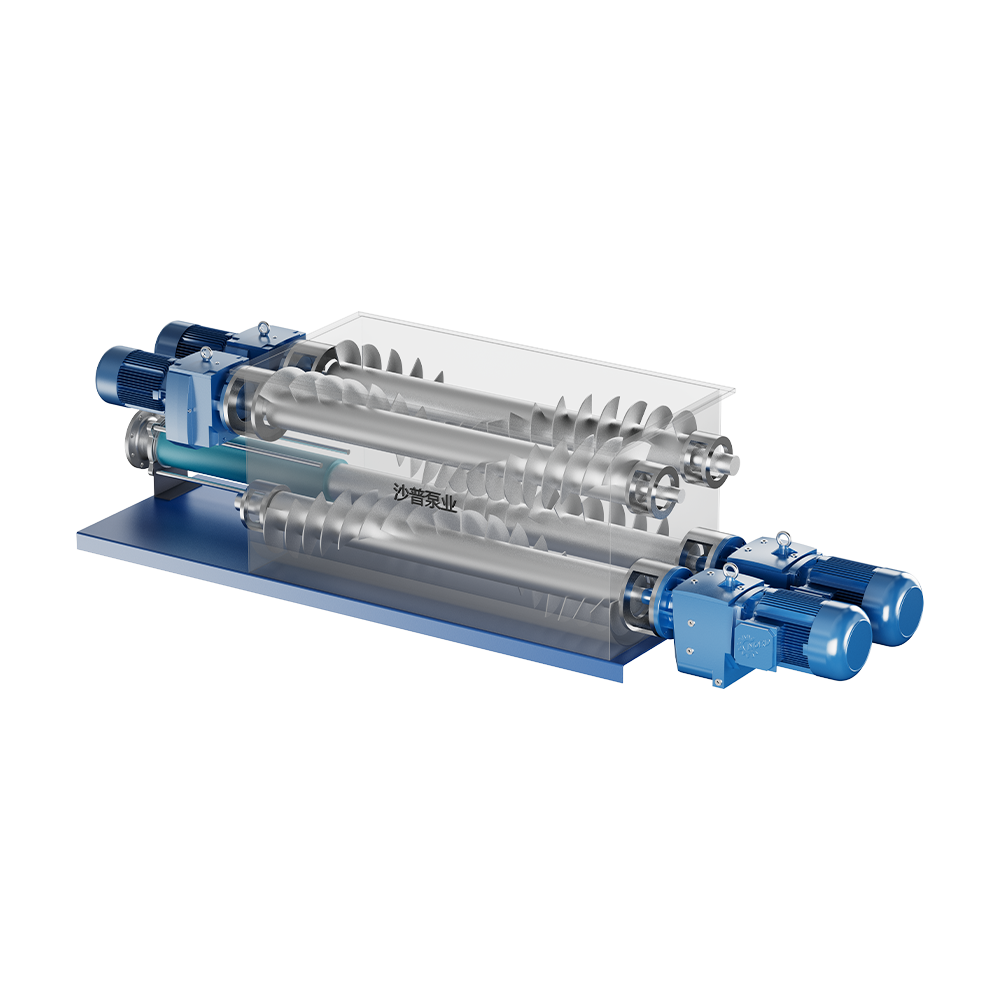
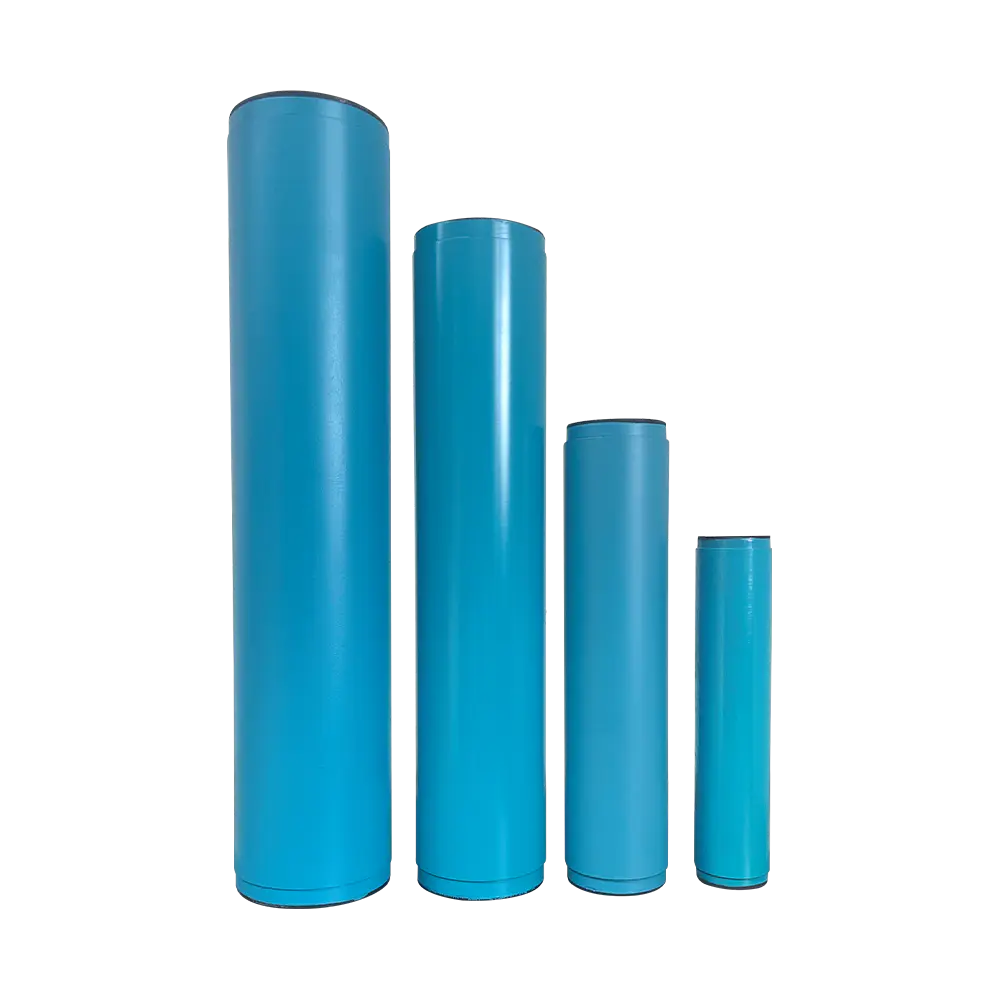
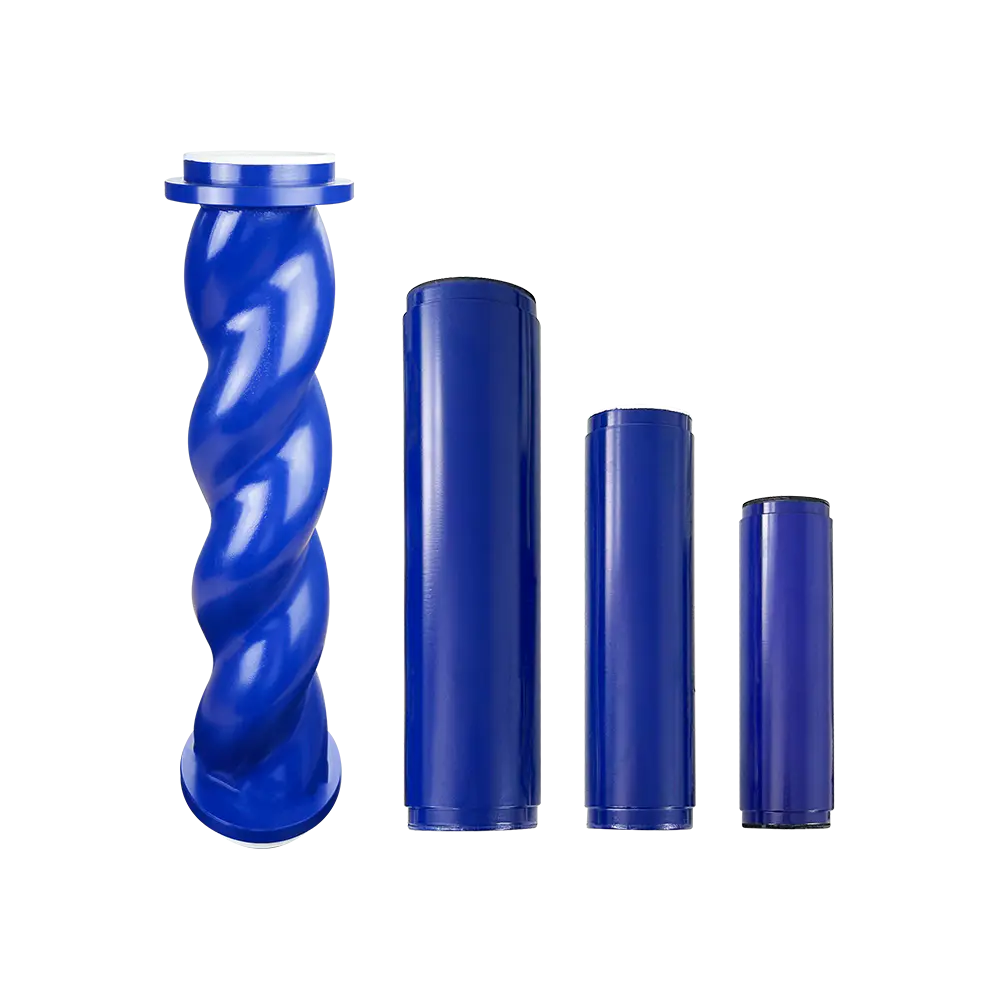
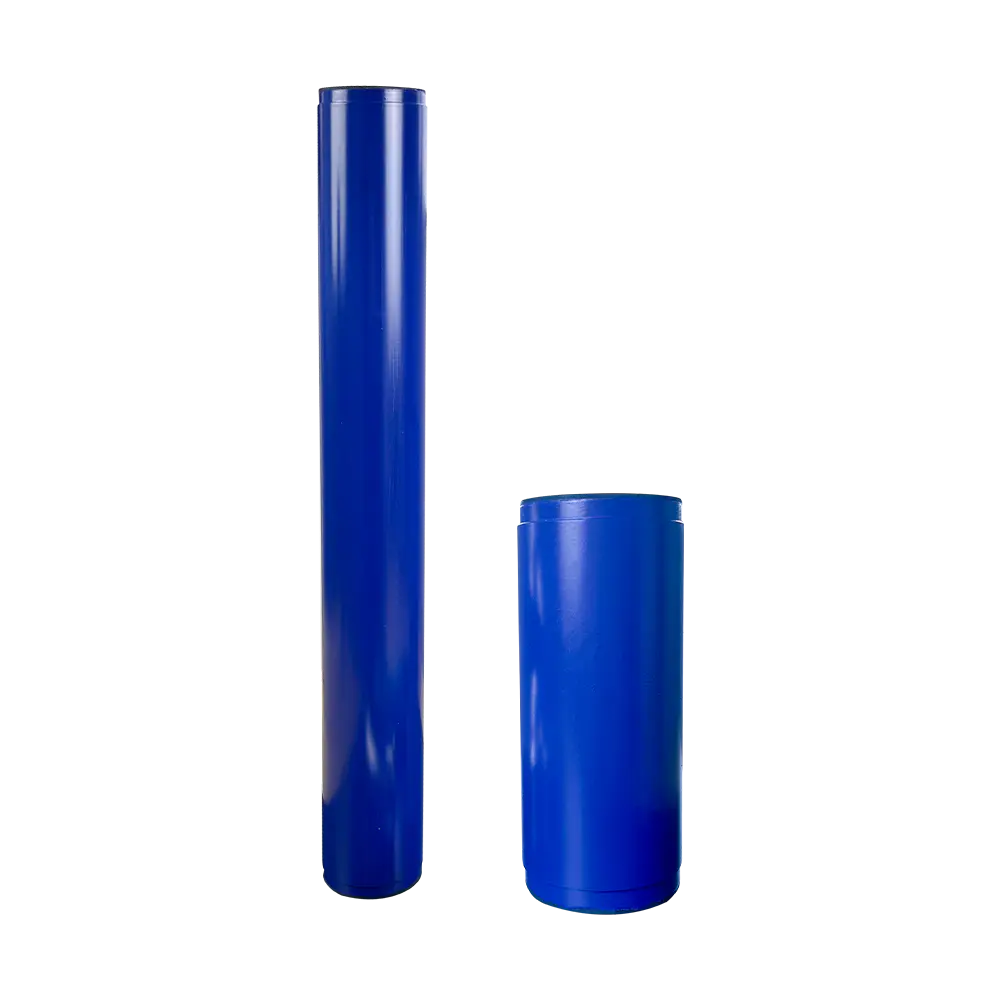
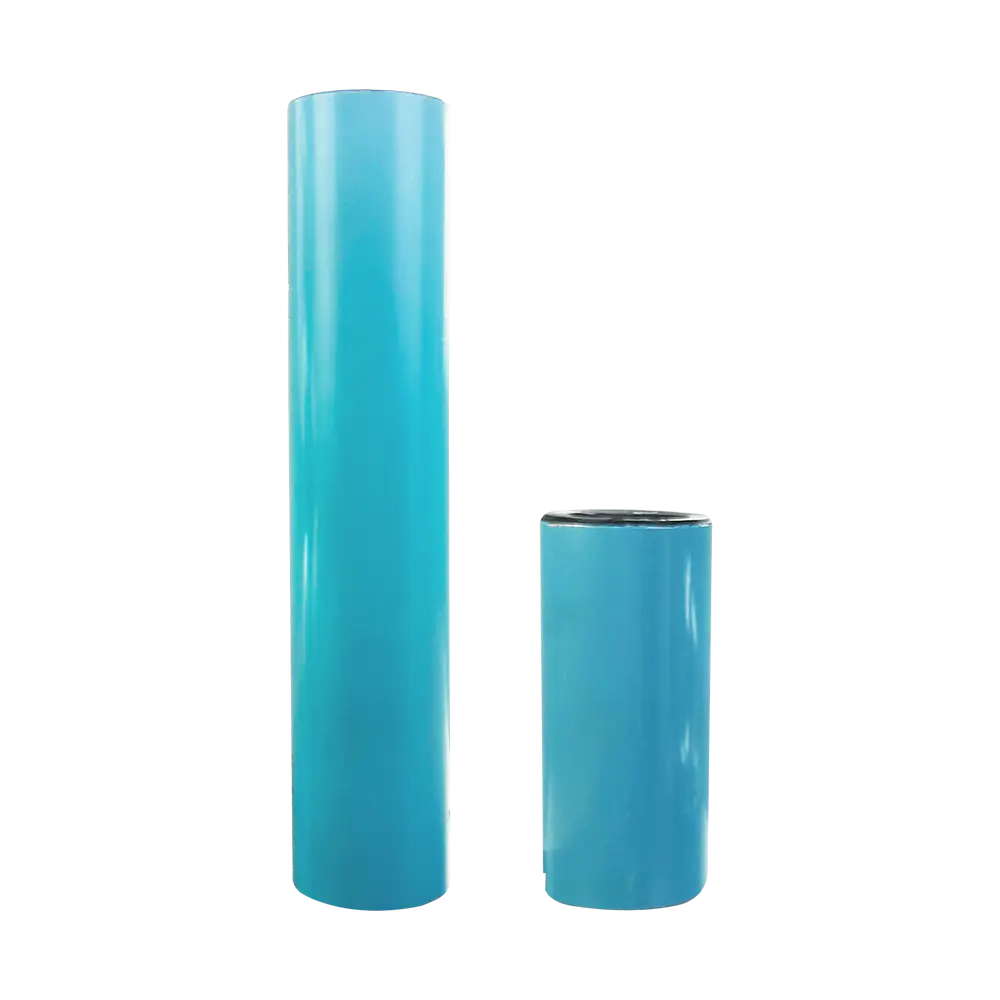
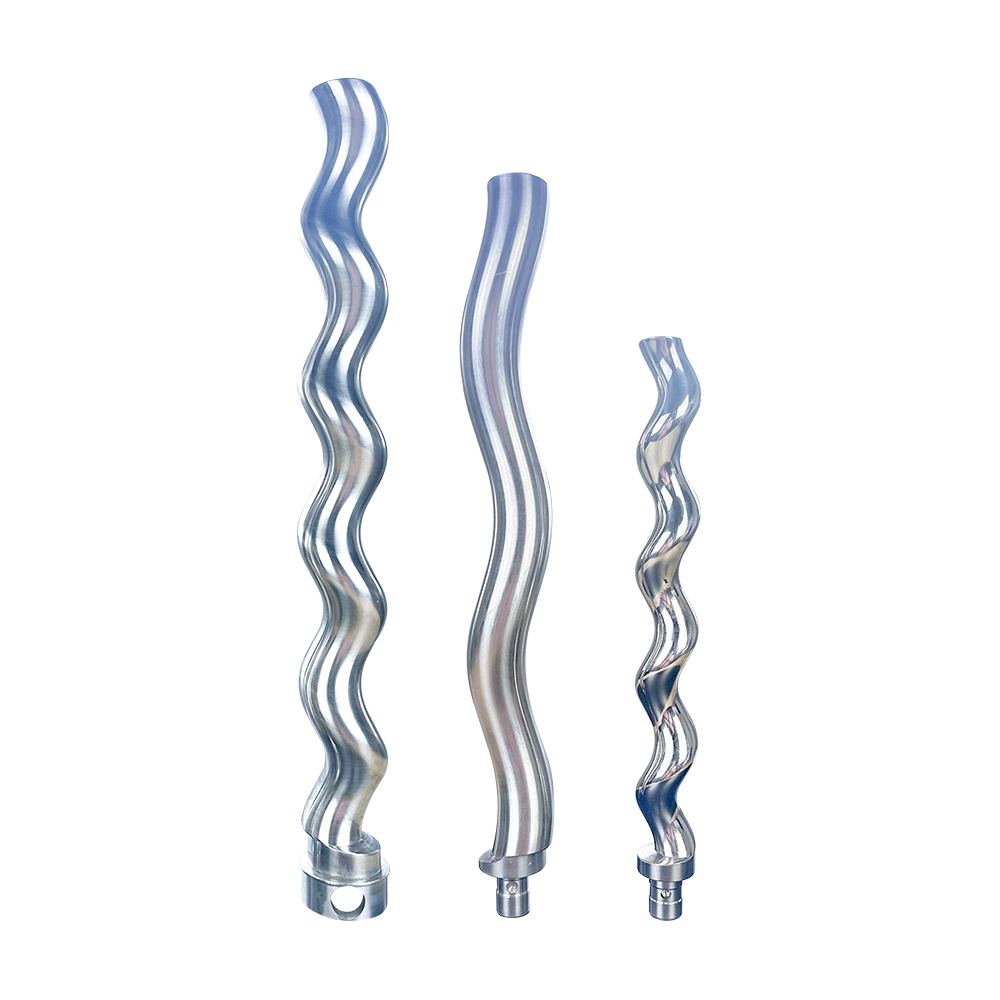
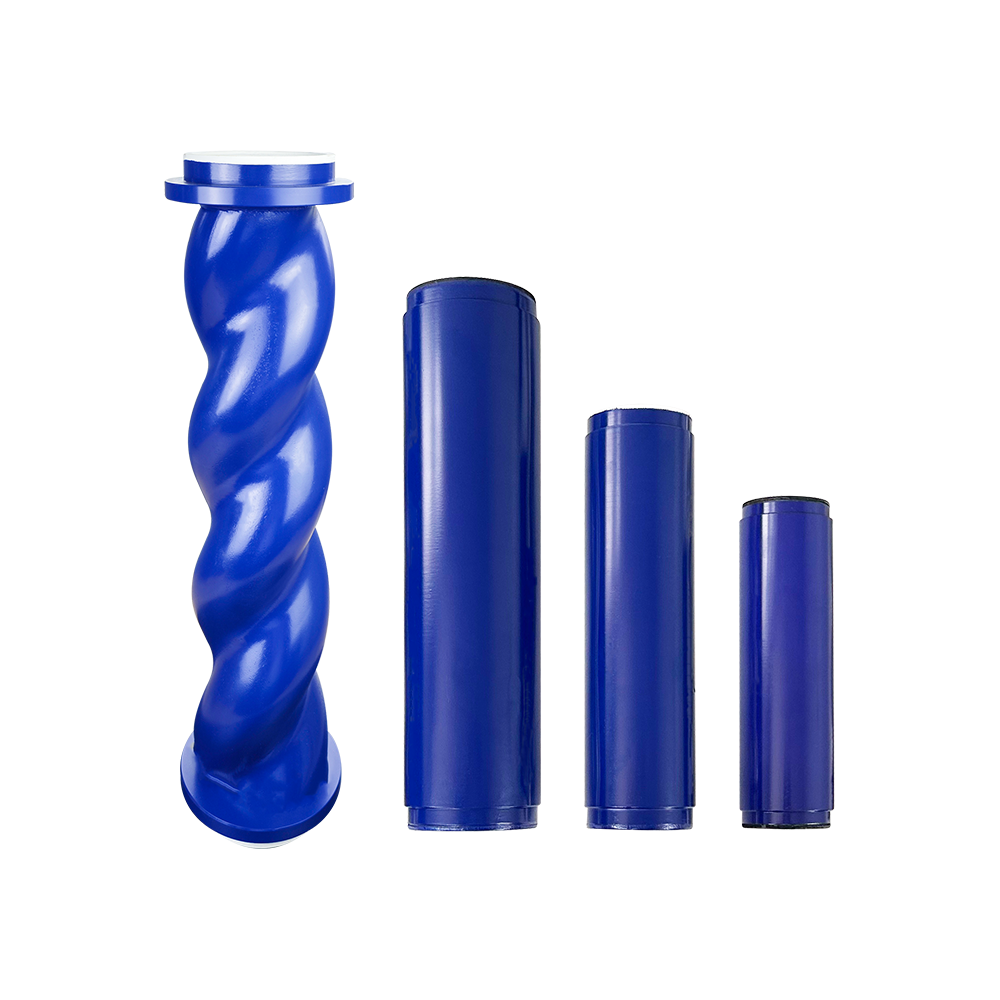
A progressive cavity pump commonly uses a helical rotor that turns inside a stator with a matching internal profile. The stator is typically manufactured with an elastomeric working surface bonded to or supported by a metal housing, although the precise construction depends on the pump design.
As the rotor rotates, the stator deforms locally around it to form sealed cavities. These cavities move along the pump, carrying fluid from the inlet toward the discharge. The stator therefore contributes directly to the sealing conditions that allow the pump to develop pressure and deliver fluid.
Because the stator is exposed to both mechanical interaction and the transferred medium, its performance depends on more than its dimensions. Elastomer composition, hardness, resilience, chemical resistance and temperature tolerance can all influence how it behaves during operation.
Why Stator Material Selection Matters
Different fluids place different demands on elastomeric materials. Some process media cause swelling, while others can lead to hardening, softening, cracking or loss of mechanical strength. Temperature can accelerate these effects, and the same material may perform differently at different concentrations or operating temperatures.
Material selection should therefore begin with accurate information about the fluid. A general description such as wastewater, oil, chemical solution or slurry may not be sufficient to determine compatibility. The exact composition, concentration, temperature and presence of cleaning agents should be considered where relevant.
Chemical Compatibility
Elastomers do not respond uniformly to every chemical. A material suitable for one liquid may be unsuitable for another, even when both are used in the same industry. Chemical compatibility references can provide an initial indication, but the final choice should be checked against the supplier's material data and the actual operating conditions.
Temperature Resistance
Operating temperature can influence elastomer flexibility, strength and dimensional stability. Excessive heat may accelerate aging or change the material's mechanical properties, while low temperatures can make some elastomers less flexible. Temperature variations during startup, shutdown and cleaning may also need to be considered.
Mechanical Properties
Hardness, elasticity and resistance to tearing affect how the stator interacts with the rotor. A material must provide the required sealing behavior without creating unsuitable friction or excessive deformation. The correct balance depends on the pump geometry and application.
Common Causes of Progressive Cavity Pump Stator Wear
1. Dry Running
One of the most important risks for a progressive cavity pump stator is operation without sufficient fluid. The rotor-stator interface depends on appropriate operating conditions, and inadequate fluid can cause friction and temperature to rise rapidly. The resulting damage may occur much faster than ordinary wear.
Dry-running protection, low-level monitoring and suitable operating procedures can help reduce this risk. Operators should confirm that the pump is properly primed where required and that the suction supply is available before startup.
2. Chemical Attack
When the stator material is incompatible with the fluid, the elastomer may swell, soften, harden or deteriorate. Chemical exposure can also affect the bond between the elastomer and its supporting structure in designs where bonding is used.
If a stator shows unusual swelling, cracking or a change in texture, review the fluid composition and any changes in the process. A replacement made from the same unsuitable material is unlikely to solve the problem permanently.
3. Excessive Temperature
Heat can arise from the process itself or from friction associated with unsuitable operating conditions. Prolonged exposure to temperatures beyond the material's limits can accelerate aging and reduce the stator's ability to maintain the intended sealing interface.
Investigate whether temperature changes are caused by the fluid, dry running, excessive speed, high differential pressure or another system issue. The correct response depends on the cause rather than on the visible damage alone.
4. Abrasive Solids
Hard particles in the fluid can contribute to wear at the rotor-stator interface. The extent of damage depends on particle size, hardness, concentration and the speed at which the pump operates. Fibrous solids can create different problems, including accumulation or irregular loading.
For abrasive applications, both rotor surface properties and stator material should be considered. If process conditions change significantly, the original component selection may need to be reviewed.
5. Excessive Pressure or Incorrect Operating Speed
Operating outside the recommended pressure or speed range can increase mechanical loading and heat generation. These conditions may shorten stator service life even when the elastomer is chemically compatible with the fluid.
Check the actual operating point against the pump's technical limits. Pressure restrictions, blocked discharge lines and incorrect control settings should be investigated before assuming the stator material is at fault.
Signs That a Stator Needs Inspection or Replacement
Stator wear may appear as a gradual decline in pump capacity, increased drive load, unstable delivery or abnormal temperature. In some cases, the pump may struggle to maintain the required discharge pressure. However, these symptoms can also result from rotor wear, suction problems, process changes or mechanical faults.
- Reduced flow or pressure: The pump no longer meets the expected operating requirement under comparable conditions.
- Higher motor current: Additional resistance or friction may be increasing the drive load.
- Unusual temperature: Local or overall temperature increases may indicate friction or unsuitable operating conditions.
- Visible deformation: Swelling, cracking, hardening or irregular wear may be found during an authorized inspection.
- Short replacement intervals: Repeated early failure may point to incorrect material selection or an unresolved process problem.
Diagnostic reminder: Do not determine stator failure from a single symptom. Review operating records and inspect related components before choosing a replacement material or changing the pump configuration.
How to Choose a Replacement Stator
Confirm the Pump Model and Series
Start with the pump nameplate, model number, series and original component information. Progressive cavity pump stators can look similar while differing in internal profile, length, dimensions and intended rotor pairing. Correct identification is essential to avoid ordering a part that cannot operate as intended.
Identify the Fluid and Operating Conditions
Provide the supplier with the fluid name and composition, concentration, temperature range, pressure, expected flow rate and solids content. Include any cleaning chemicals or process additives that may contact the stator. This information helps narrow the material options and identify potential compatibility concerns.
Verify Geometry and Rotor Compatibility
The stator's internal profile must match the intended rotor. Its dimensions and elastomer properties affect the interaction between the two components. A stator should not be selected based only on its external size or visual similarity to an existing part.
Consider the Actual Failure Mechanism
If the previous stator failed prematurely, determine why before placing the next order. Chemical attack may require a different elastomer, while dry-running damage may require improved protection or revised operating procedures. Abrasive wear may call for a broader review of the pump's materials and process conditions.
Why Rotor-Stator Compatibility Is Essential
The rotor and stator are designed to operate as a pair. Their geometry and material properties determine the contact and sealing conditions within the pump. An unsuitable combination may produce excessive friction, poor sealing or uneven wear.
When replacing a stator, check whether the existing rotor remains within acceptable condition. A damaged rotor can affect the new stator, while a worn stator may have allowed the pump to operate inefficiently for an extended period. Evaluating both components can help avoid repeating the same maintenance cycle.
Component compatibility also involves the operating environment. A rotor-stator pair that performs well with one fluid and temperature may not deliver the same service life in a different application. Changes in process composition should trigger a review when they significantly affect viscosity, chemical exposure or solids content.
Installation and Maintenance Practices
Installation should follow the pump manufacturer's instructions. Avoid using unsuitable tools or methods that may damage the elastomer or alter the component's intended position. Confirm that the rotor, stator and related drive components are installed correctly before returning the equipment to service.
During operation, monitor flow, pressure, motor current and temperature. Unexpected changes should be investigated promptly, especially when the pump handles abrasive, corrosive or temperature-sensitive media. A consistent record of operating conditions can help distinguish gradual wear from sudden process-related damage.
Where practical, review the condition of removed stators and record the type of damage, service duration and operating history. Over time, these records can help identify recurring issues and improve future component selection.
To support accurate identification, provide the following details whenever possible:
- Pump manufacturer, model and series.
- Original stator part number or drawing.
- Fluid composition and chemical concentration.
- Operating and cleaning temperature ranges.
- Required pressure, flow rate and pump speed.
- Solids content and expected abrasive conditions.
- Details of the previous stator's wear or failure.
If the original part number is unavailable, verified measurements and photographs may support an initial assessment. However, measurements from a worn stator may not represent its original dimensions, so specifications should be confirmed before the replacement is manufactured.
Working With a Progressive Cavity Pump Stator Supplier
A suitable supplier should help confirm the pump series, review application conditions and clarify the proposed material and dimensions. Manufacturing consistency and accurate component matching are important because stator performance depends on its interaction with the rotor.
Jiangsu Sharp Pump Co., Ltd. supplies progressive cavity pump-related products, including stators and other replacement components. Providing detailed application information can help the supplier assess the requirement more effectively and reduce the risk of an unsuitable replacement.
Conclusion
The progressive cavity pump stator directly affects sealing performance, fluid transfer and component service life. Chemical incompatibility, dry running, excessive temperature, abrasive solids and incorrect operating conditions are common factors that can contribute to premature deterioration.
Reliable stator selection starts with accurate pump identification and a clear understanding of the fluid and operating environment. By evaluating rotor-stator compatibility, monitoring operating conditions and investigating the cause of previous failures, maintenance teams can make more informed replacement decisions and support more reliable industrial pumping operations.