 maoyaojunyfc@sppump.cn
 +86-523-84231792











 русский
 Español
 عربى
 中文简体
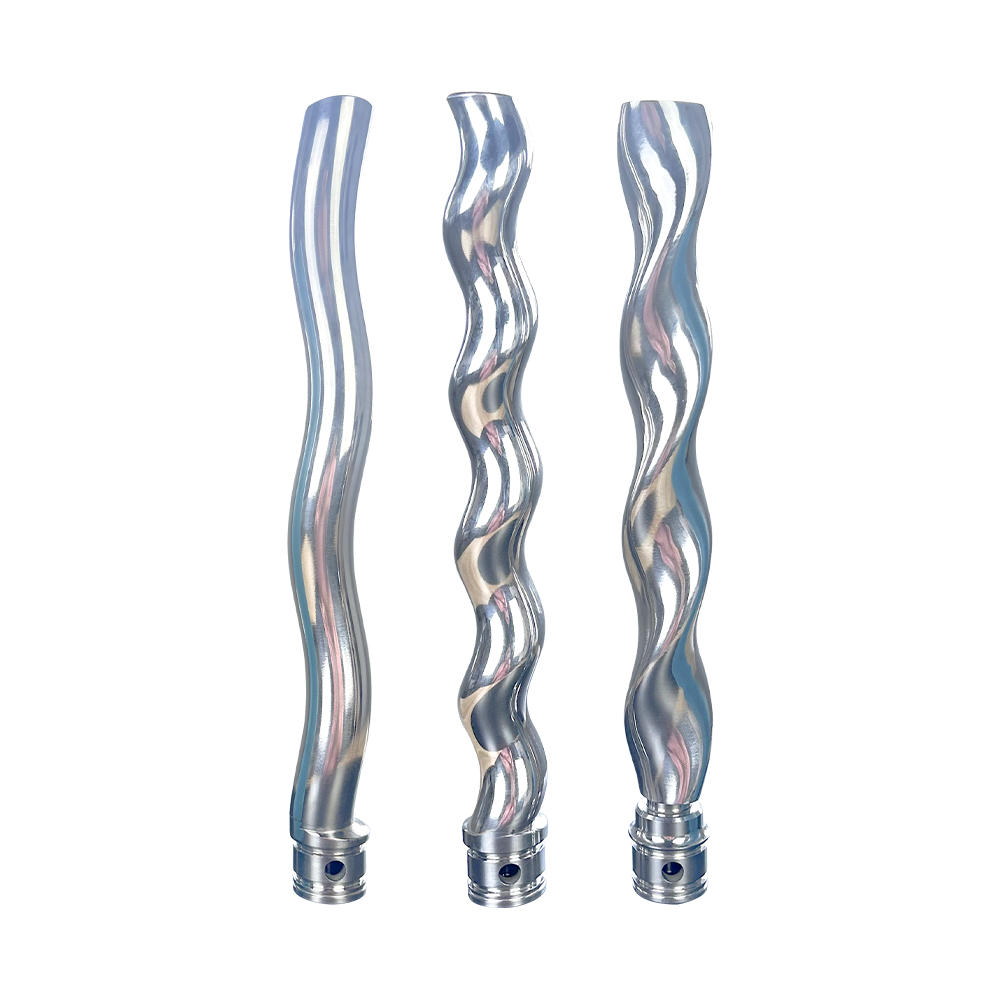
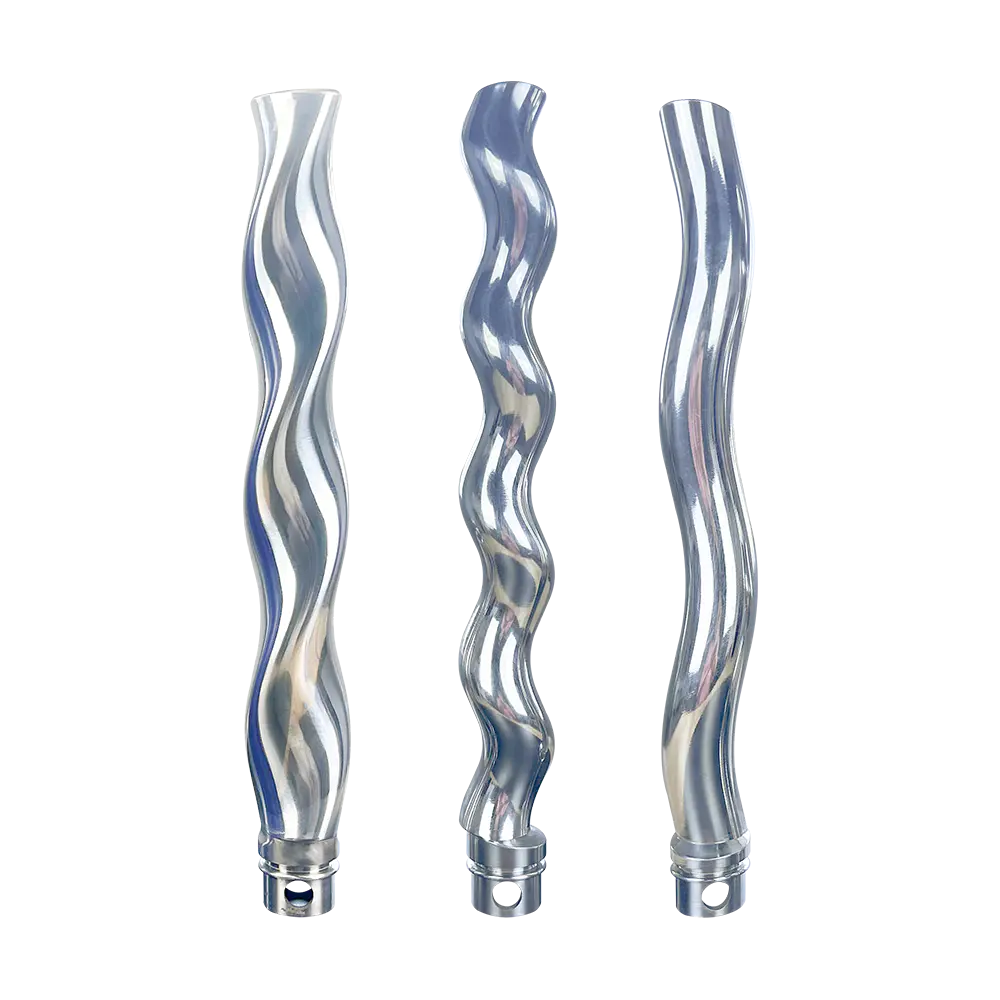
The progressive cavity pump rotor is one of the most important working components in a progressive cavity pumping system. Its helical geometry works with the stator to form moving cavities that convey fluid from the inlet to the outlet. Rotor condition can therefore influence flow stability, pressure performance, mechanical loading and maintenance intervals. When a pump loses capacity or develops abnormal operating symptoms, understanding rotor wear and replacement requirements helps maintenance teams investigate the cause more effectively.
Content
- 1 What Does a Progressive Cavity Pump Rotor Do?
- 2 Why Rotor Condition Matters
- 3 Common Causes of Progressive Cavity Pump Rotor Wear
- 4 Signs That a Rotor May Need Inspection
- 5 How to Select a Replacement Progressive Cavity Pump Rotor
- 6 Rotor and Stator: Why the Working Pair Must Be Evaluated Together
- 7 Inspection and Maintenance Recommendations
- 8 What to Provide When Requesting a Rotor Quotation
- 9 Working With a Replacement Parts Supplier
- 10 Conclusion
What Does a Progressive Cavity Pump Rotor Do?
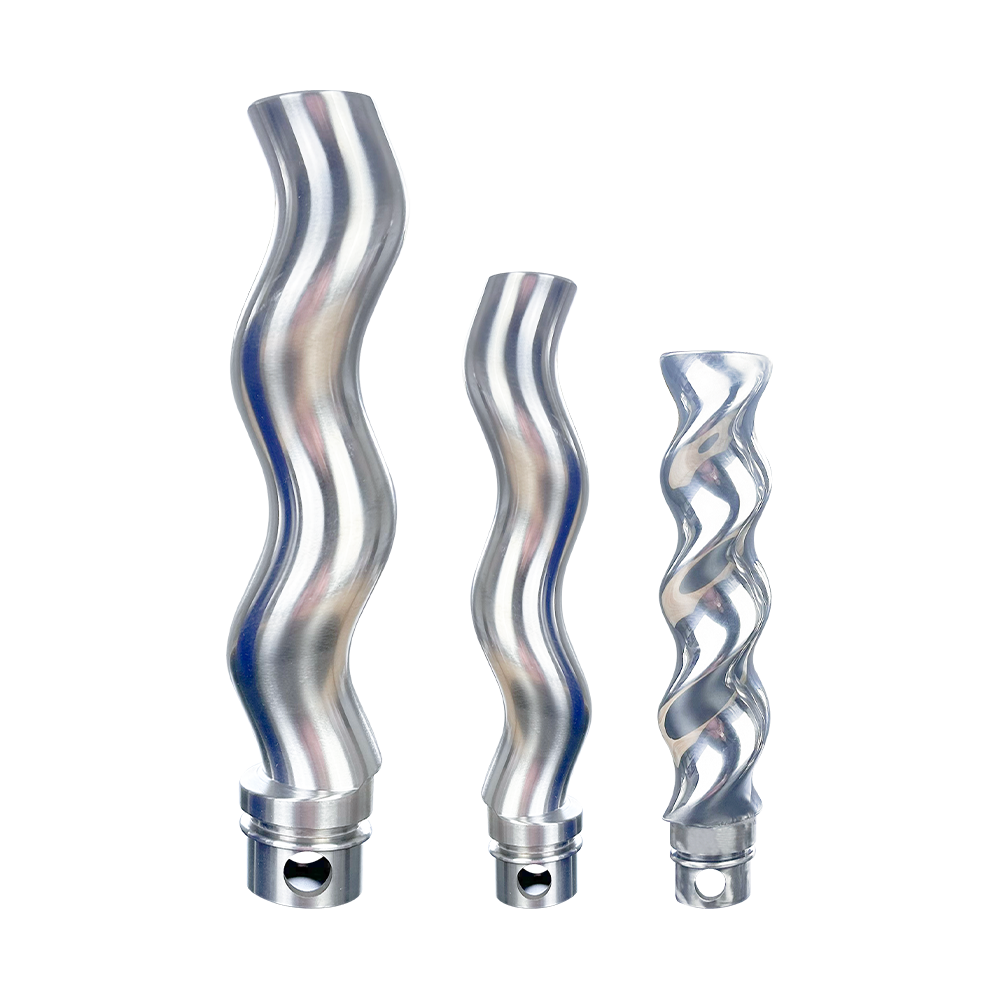
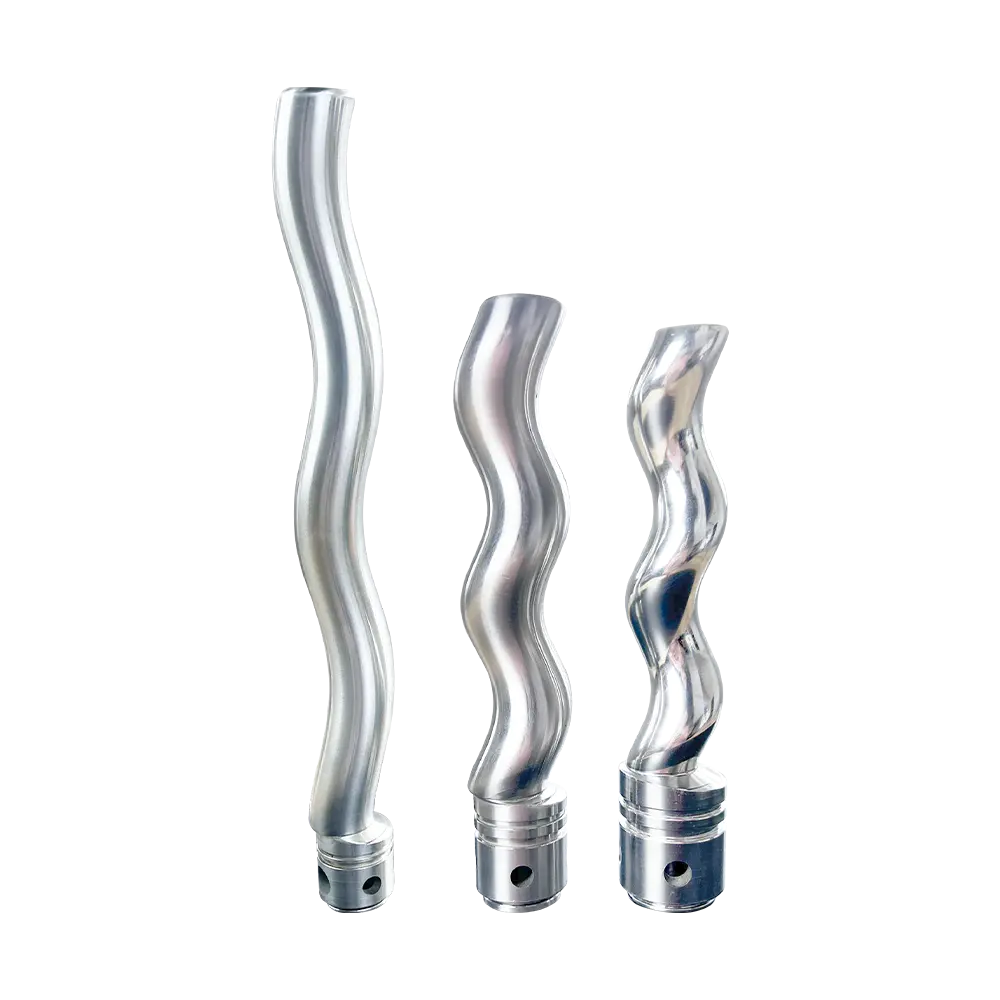
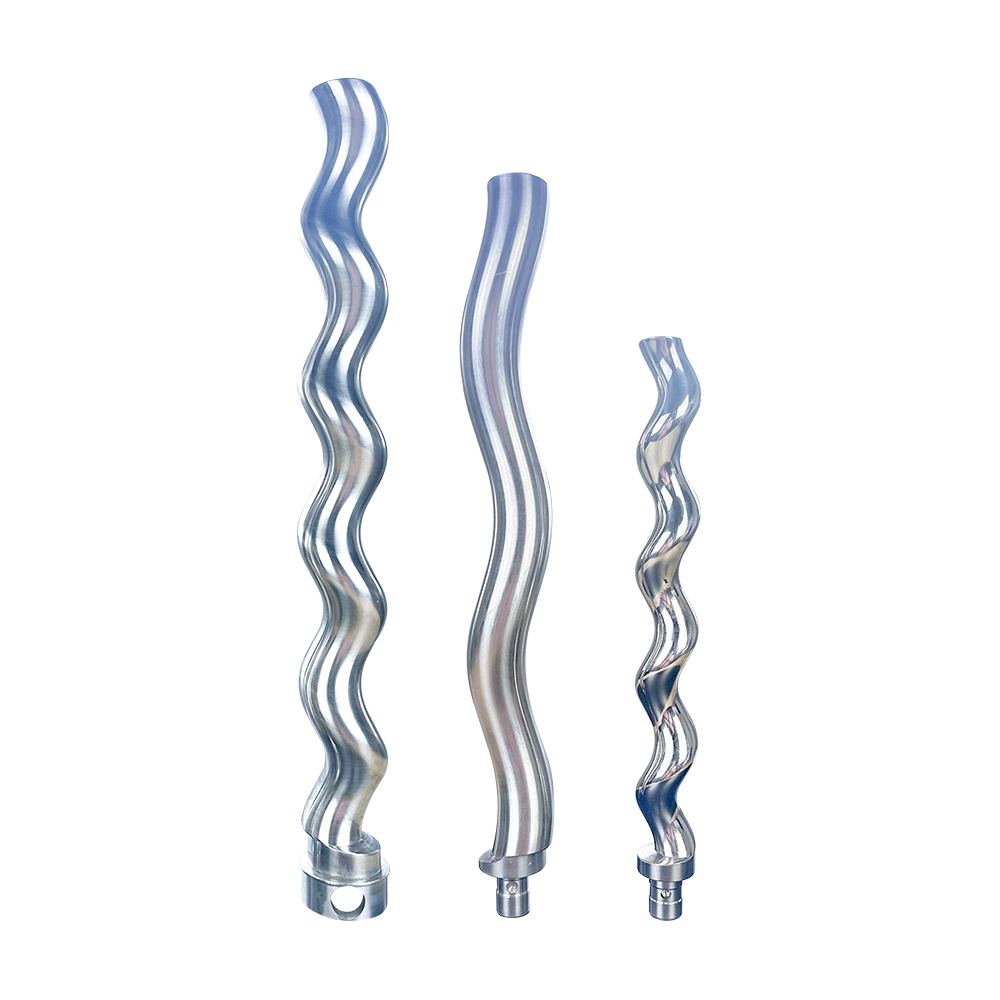
A progressive cavity pump generally uses a helical metal rotor positioned inside an elastomeric stator. As the rotor turns, the interaction between these components creates a sequence of cavities that travel along the pump. The fluid is carried through the cavities instead of being accelerated by an impeller.
The rotor's geometry is central to this process. Its profile, pitch, dimensions, surface finish and relationship with the stator affect the sealing lines formed during rotation. The design must be matched to the pump's intended capacity, pressure range and operating conditions.
Although a rotor may appear to be a relatively simple metal component, manufacturing accuracy is important. Deviations in geometry or surface condition can change the interaction with the stator. A rotor that is not suitable for the intended pump model may cause poor performance or accelerate wear in the rotor-stator pair.
Why Rotor Condition Matters
In normal service, the rotor is exposed to mechanical contact, fluid pressure and the characteristics of the transferred medium. Depending on the application, it may also encounter abrasive particles, corrosive chemicals or temperature changes. These conditions can gradually affect the rotor surface and the operating clearance between the rotor and stator.
As the working surfaces deteriorate, the pump may experience increased internal slip, reduced output or greater load on the drive system. The actual symptoms depend on the pump design and the type of damage. Rotor wear should therefore be assessed alongside stator condition, shaft alignment, drive components and process conditions.
Common Causes of Progressive Cavity Pump Rotor Wear
1. Abrasive Particles in the Fluid
Sand, mineral particles, metal fragments and other hard solids can damage the rotor surface. The severity of wear depends on particle hardness, size, concentration, fluid velocity and operating conditions. A medium containing fine particles may behave very differently from one containing larger or sharper solids.
Where abrasion is expected, the rotor material and surface treatment should be selected for the actual application. It is also useful to review upstream filtration or separation arrangements when the process allows them, without introducing restrictions that would compromise the pump's suction conditions.
2. Corrosion and Chemical Exposure
Corrosion may develop when the rotor material is unsuitable for the fluid's chemical composition, concentration or temperature. Certain process media can attack specific metals, while other fluids may cause corrosion only under particular operating conditions.
Material selection should be based on the actual fluid rather than a general label. For example, two liquids described as acidic may have different compatibility requirements because of differences in concentration, temperature and other dissolved substances.
3. Unsuitable Operating Conditions
Excessive pressure, inappropriate speed, repeated dry running or insufficient lubrication at the rotor-stator interface can contribute to abnormal wear. A pump may also suffer when its operating point differs significantly from the conditions for which it was selected.
Before changing the rotor specification, check the operating data and determine whether the pump has been running within the manufacturer's limits. Replacing a damaged part without correcting the underlying operating problem may lead to repeated failures.
4. Incorrect Component Matching
A rotor must match the intended stator and pump series. Similar external dimensions do not necessarily mean that two components have identical geometry or operating characteristics. Differences in profile, pitch, coating or manufacturing tolerance may affect the fit.
Using an incorrectly matched rotor can lead to excessive contact, poor sealing, increased torque or unstable performance. The safest approach is to verify the part number and dimensional specifications before ordering a replacement.
Signs That a Rotor May Need Inspection
Rotor deterioration does not always produce one unmistakable symptom. A reduction in flow may be caused by rotor or stator wear, but it can also result from suction restrictions, changes in fluid viscosity, valve problems or other system issues. Maintenance teams should look for a combination of symptoms and compare current data with historical operating records.
- Reduced delivery: Output falls even though the process demand and operating settings have not changed.
- Increased drive load: Motor current or torque rises unexpectedly, potentially indicating excessive friction or mechanical resistance.
- Unusual noise or vibration: New sounds or vibration may indicate contact problems, alignment issues or damage elsewhere in the drive train.
- Visible surface damage: Scoring, pitting, corrosion or uneven wear may become apparent during an authorized inspection.
- Repeated component failure: Premature wear of replacement parts may indicate a mismatch between the components and the application.
Important: These symptoms are indicators for investigation, not proof that the rotor alone is defective. A proper diagnosis should include the stator, drive train, seals, process fluid and system conditions.
How to Select a Replacement Progressive Cavity Pump Rotor
Confirm the Pump Series and Model
Start with the pump nameplate, model information, original part number and available technical drawings. If the pump belongs to a specific series, identify that series before comparing rotor options. This is particularly important for replacement applications where several models may look similar.
Verify Dimensions and Geometry
Important details may include overall length, diameter, helical profile, pitch and relevant connection dimensions. Measurements taken from a worn component can be misleading because wear may have changed the original dimensions. Whenever possible, use verified drawings or original specifications instead of relying only on the used part.
Evaluate Material and Surface Treatment
The appropriate material depends on the transferred fluid, temperature, pressure and expected wear mechanism. A surface coating may be useful in certain applications, but its suitability depends on the substrate, coating properties and operating environment. No single material or coating is ideal for every duty.
Check Rotor-Stator Compatibility
Rotor replacement should be evaluated together with the stator. The rotor's dimensions and profile must be compatible with the stator's geometry and elastomer properties. If the stator has also experienced significant wear or chemical deterioration, replacing only the rotor may not restore the pump's expected performance.
Rotor and Stator: Why the Working Pair Must Be Evaluated Together
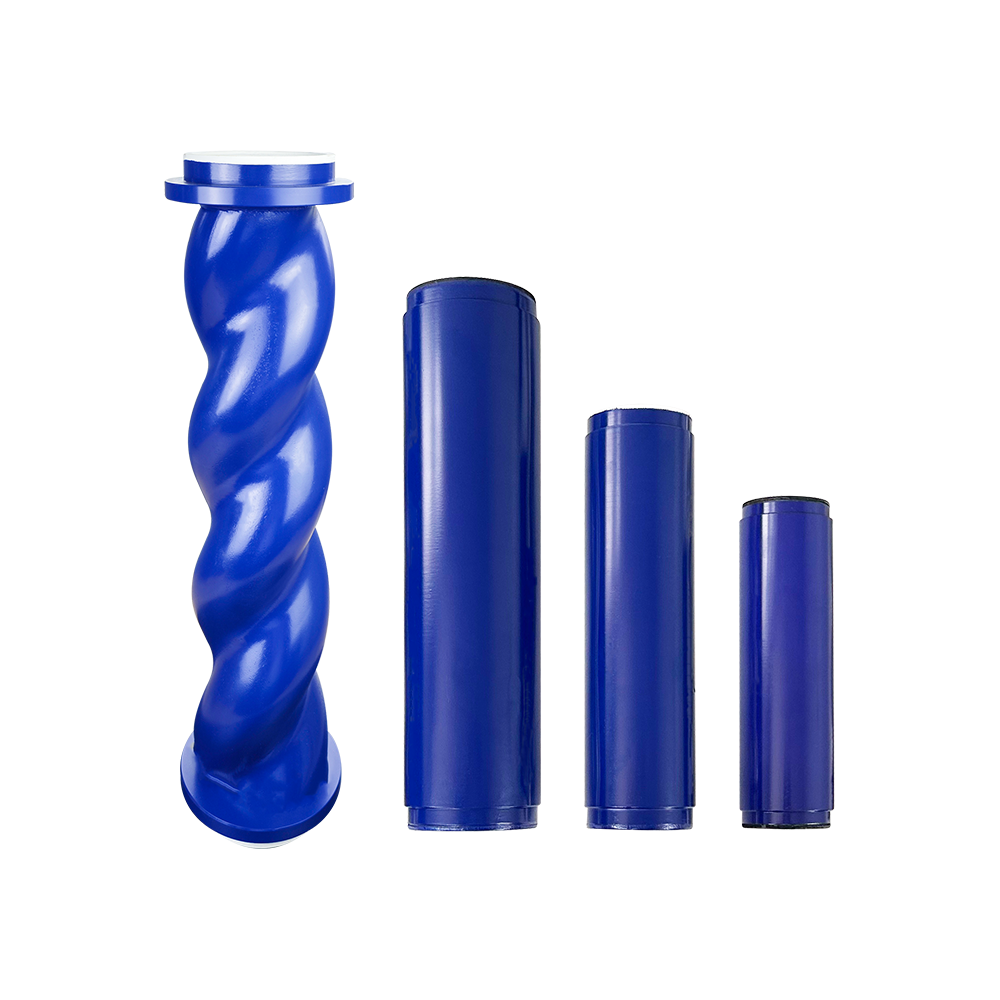
The rotor and stator work through controlled interaction. The stator's elastomer deforms around the rotor, creating sealing lines that separate the moving cavities. Both components contribute to the pump's ability to maintain the pressure difference required for fluid transfer.
If the rotor is damaged, the sealing interface may be affected. If the stator has swollen, hardened or worn unevenly, it may no longer interact with the rotor as intended. Either condition can reduce efficiency or increase mechanical loading.
When a pump has been in service for a long period, it is useful to inspect both parts during maintenance. The decision to replace one or both components should be based on their condition, the manufacturer's guidance and the expected cost of future downtime.
Inspection and Maintenance Recommendations
Routine maintenance should include monitoring flow, discharge pressure, motor current, temperature and unusual vibration. These measurements help establish a baseline and make it easier to identify changes. Inspection frequency should reflect the severity of the application rather than follow one universal schedule.
During an inspection, check for scoring, pitting, corrosion, uneven contact marks and other visible damage. Review the removed parts for clues about the failure mechanism. For example, localized corrosion may point toward a material compatibility issue, while severe wear may suggest abrasive fluid or unsuitable operating conditions.
Maintenance personnel should also inspect connected components such as the drive shaft, coupling, joints and shaft seals. Problems in these areas can affect overall pump operation and may be mistakenly attributed to rotor wear.
What to Provide When Requesting a Rotor Quotation
Clear technical information helps reduce identification errors and unnecessary delays. When requesting a replacement rotor, prepare as much of the following information as possible:
- Pump manufacturer, model and series.
- Original rotor part number or technical drawing.
- Dimensions and connection details, if verified.
- Transferred fluid and its relevant properties.
- Operating temperature, pressure and required capacity.
- Known wear pattern or reason for replacement.
- Required material, coating or special documentation.
If the original model is unknown, photographs and measurements can support an initial review, but critical specifications should be confirmed before manufacturing or shipment. This is especially important for custom or replacement parts intended to operate with existing equipment.
Working With a Replacement Parts Supplier
A supplier should be able to clarify identification details, confirm the intended application and provide relevant technical information. Manufacturing consistency and dimensional verification are important because the rotor must operate as part of a matched system rather than as an isolated component.
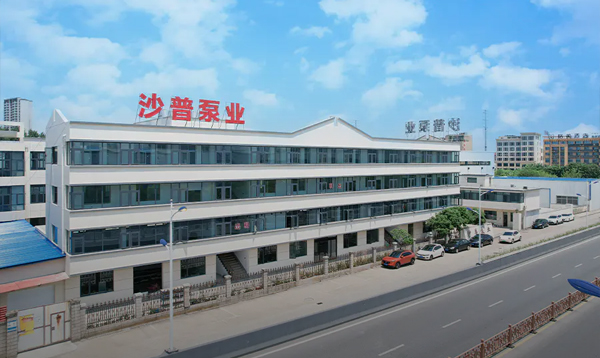
Jiangsu Sharp Pump Co., Ltd. supplies progressive cavity pump-related products and replacement parts. When discussing a rotor requirement, providing accurate model information and operating conditions helps the supplier assess the appropriate specification and avoid unnecessary assumptions.
Conclusion
The progressive cavity pump rotor plays a central role in fluid transfer, and its condition affects the interaction between the pump's working components. Abrasive media, corrosion, unsuitable operating conditions and incorrect component matching can all contribute to premature wear.
Effective replacement begins with identifying the pump correctly, verifying dimensions, selecting compatible materials and checking the stator at the same time. Combined with routine operating checks and a review of the underlying wear mechanism, these steps help maintenance teams improve equipment reliability and reduce repeated component failures.