 maoyaojunyfc@sppump.cn
 +86-523-84231792











 русский
 Español
 عربى
 中文简体
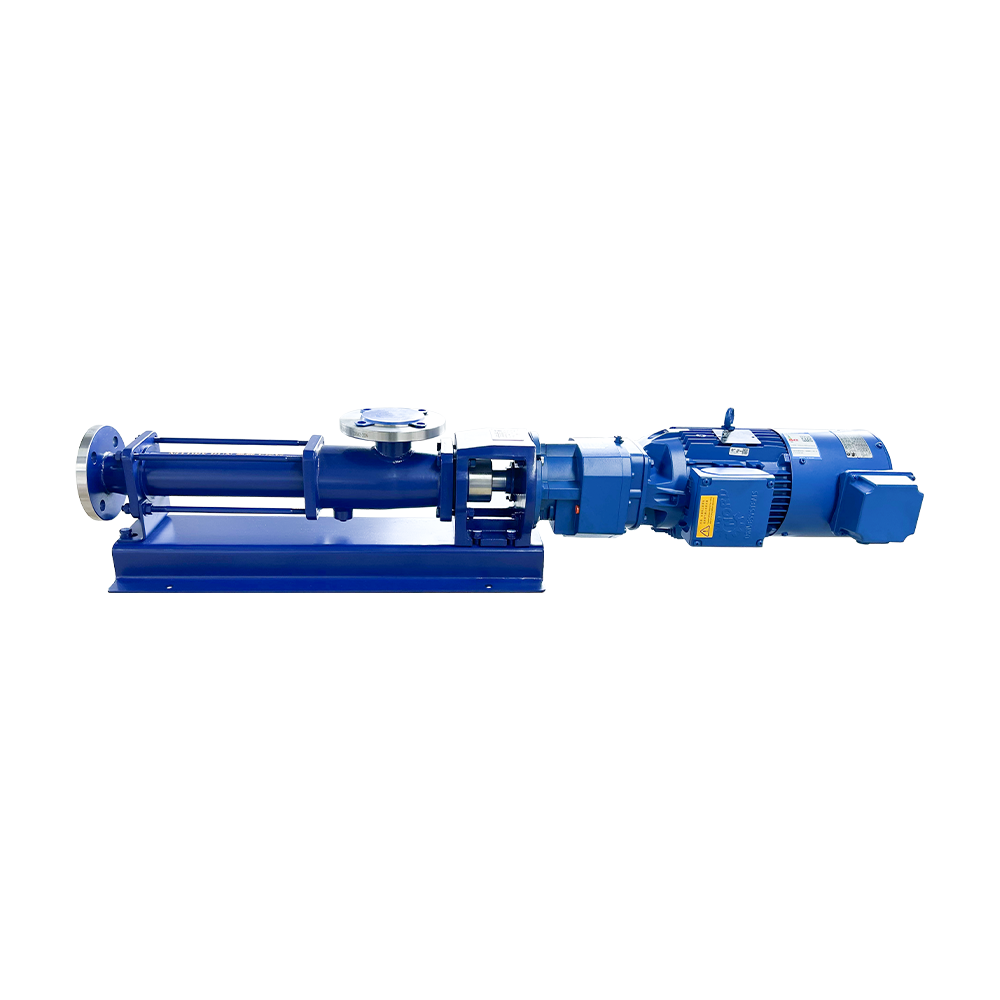
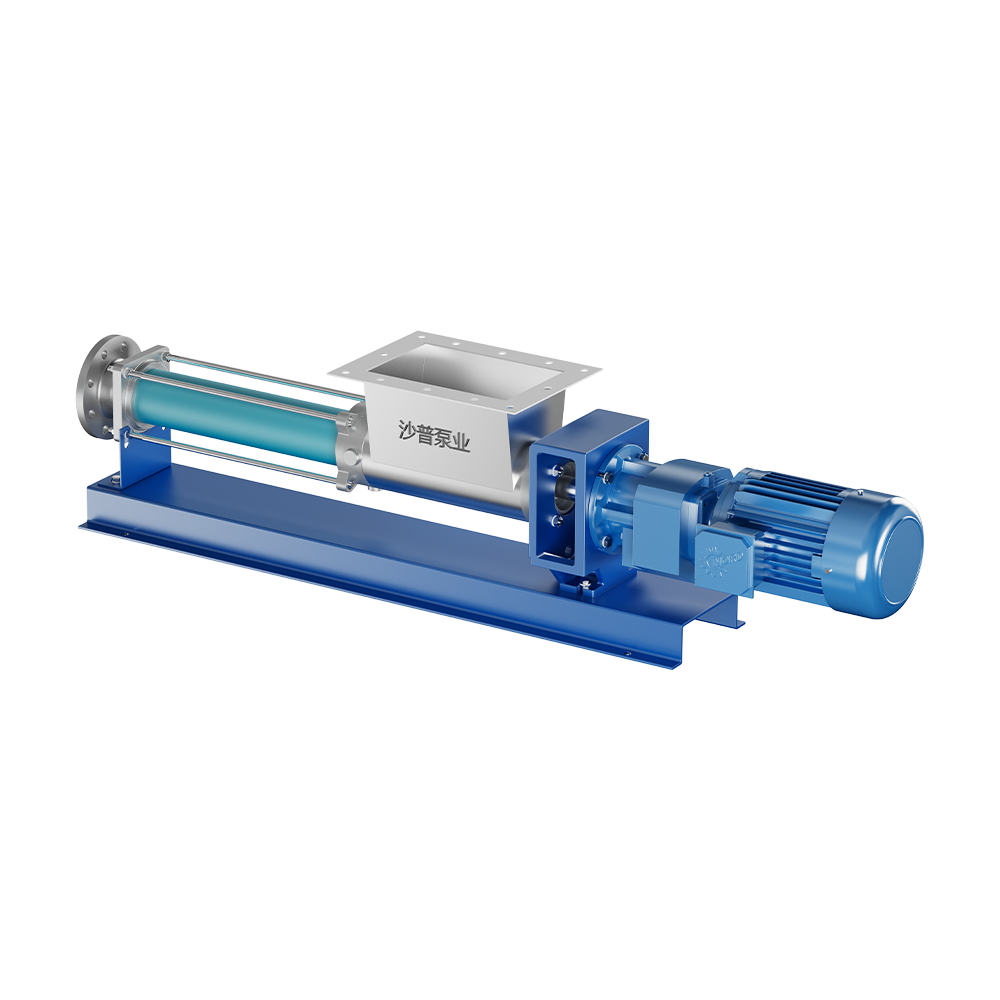
A progressive cavity pump is widely used in industrial processes that require controlled fluid transfer, particularly when the medium is viscous, contains suspended solids or cannot be handled effectively by conventional centrifugal pumps. Its operating principle supports relatively smooth flow, making it suitable for wastewater treatment, food processing, chemical production and many other applications. Selecting the right pump, however, requires more than matching a connection size or motor power. Fluid characteristics, operating conditions, material compatibility and maintenance requirements all influence long-term performance.
Content
- 1 Why Industrial Fluid Transfer Requires Careful Pump Selection
- 2 How a Progressive Cavity Pump Works
- 3 Industrial Applications of Progressive Cavity Pumps
- 4 Key Factors When Selecting a Progressive Cavity Pump
- 5 Common Causes of Performance Problems
- 6 Maintenance Practices That Support Reliable Operation
- 7 Choosing a Reliable Pump and Spare Parts Supplier
- 8 Conclusion
Why Industrial Fluid Transfer Requires Careful Pump Selection
Industrial fluids vary considerably in their physical and chemical properties. Some are thin and flow easily, while others are thick, sticky or sensitive to mechanical stress. Certain process streams also contain fibers, suspended particles or abrasive solids that can accelerate component wear. A pump that performs well in one application may become inefficient or unreliable when used with a different medium.
For plant operators, the challenge is to maintain a predictable transfer rate while controlling energy consumption, leakage risks, maintenance intervals and unexpected downtime. Pump selection therefore needs to consider the complete operating environment rather than focusing on one performance figure.
Progressive cavity pumps are often considered when a process requires positive-displacement pumping and the medium presents challenges for other pump types. Their suitability still depends on the pump design and the specific application. Excessive pressure, incompatible materials, inadequate lubrication at the sealing surfaces or incorrect operating procedures can affect performance regardless of pump type.
How a Progressive Cavity Pump Works
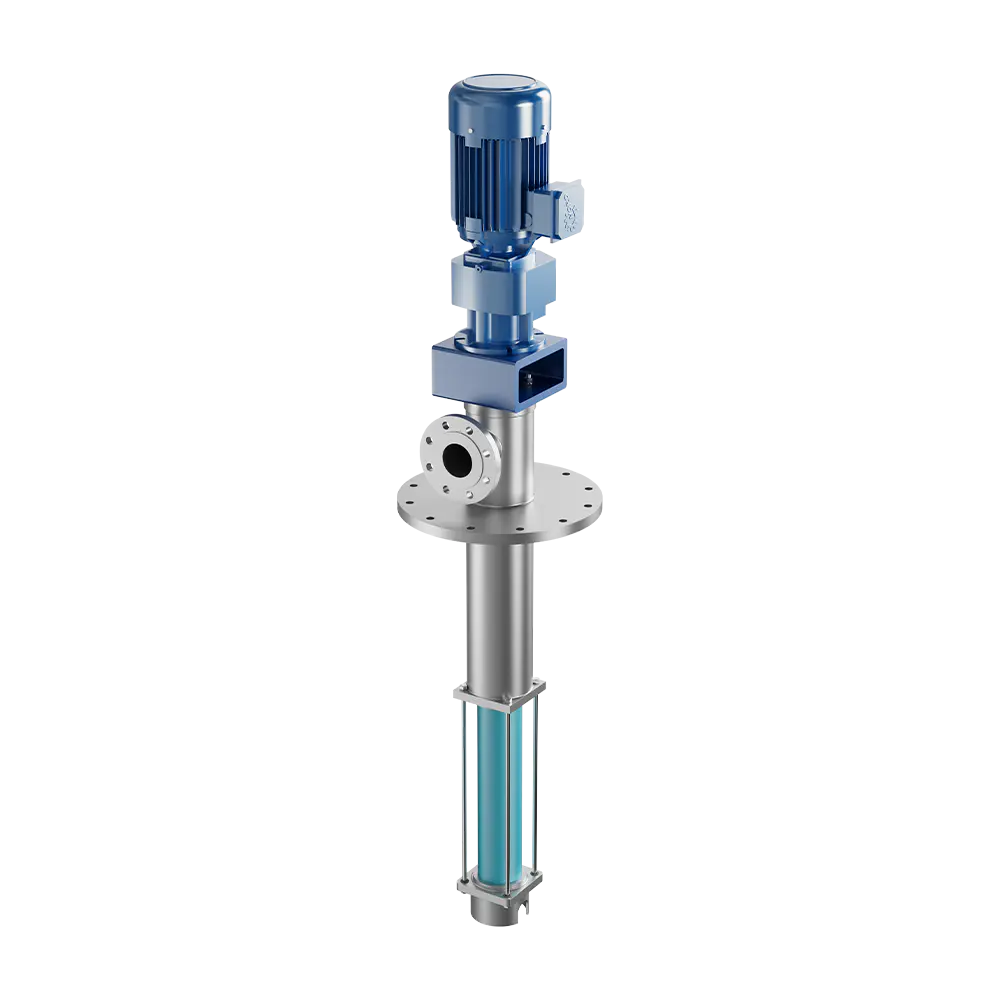
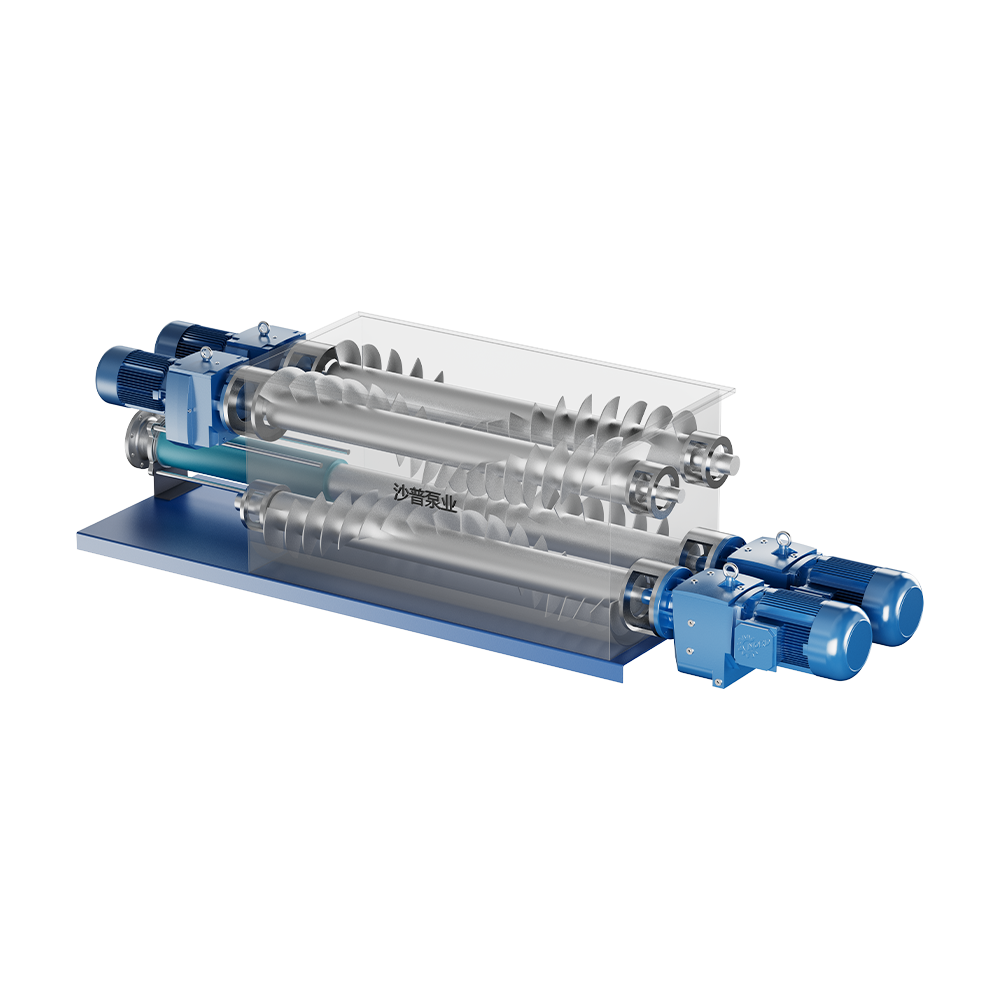
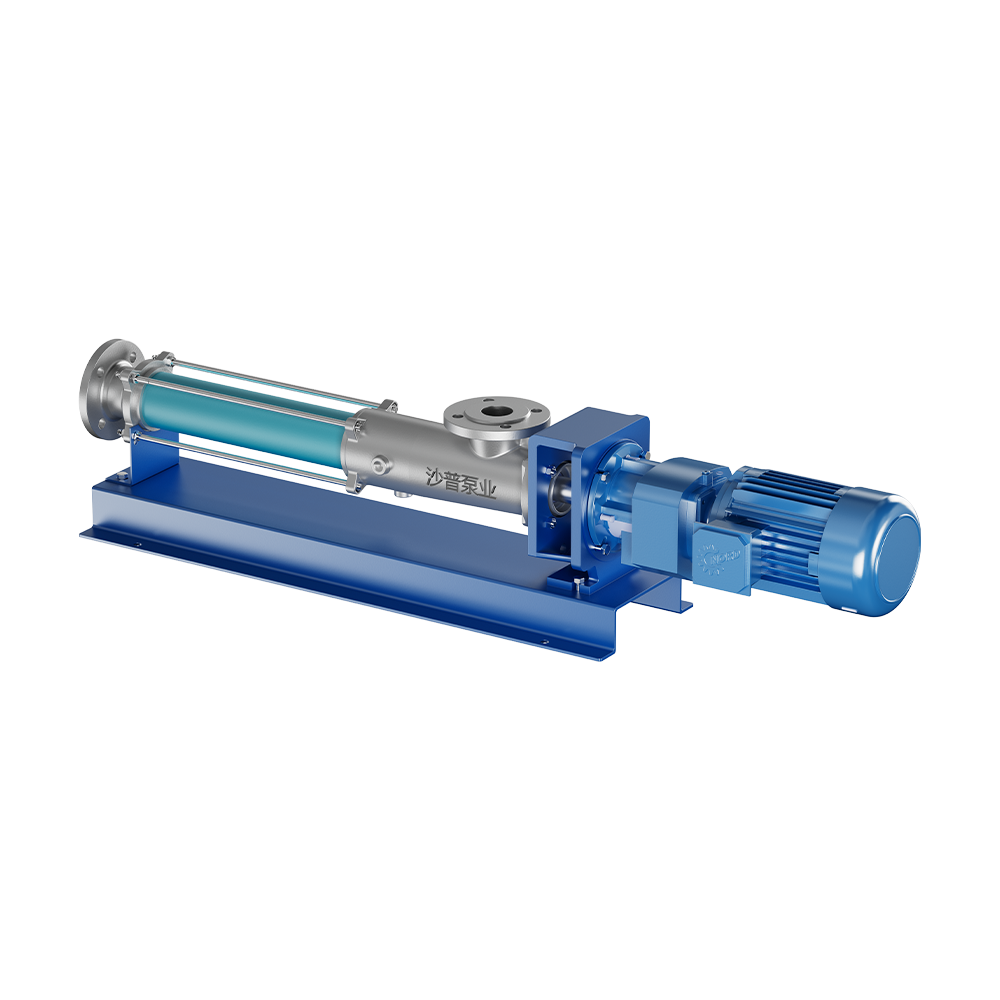
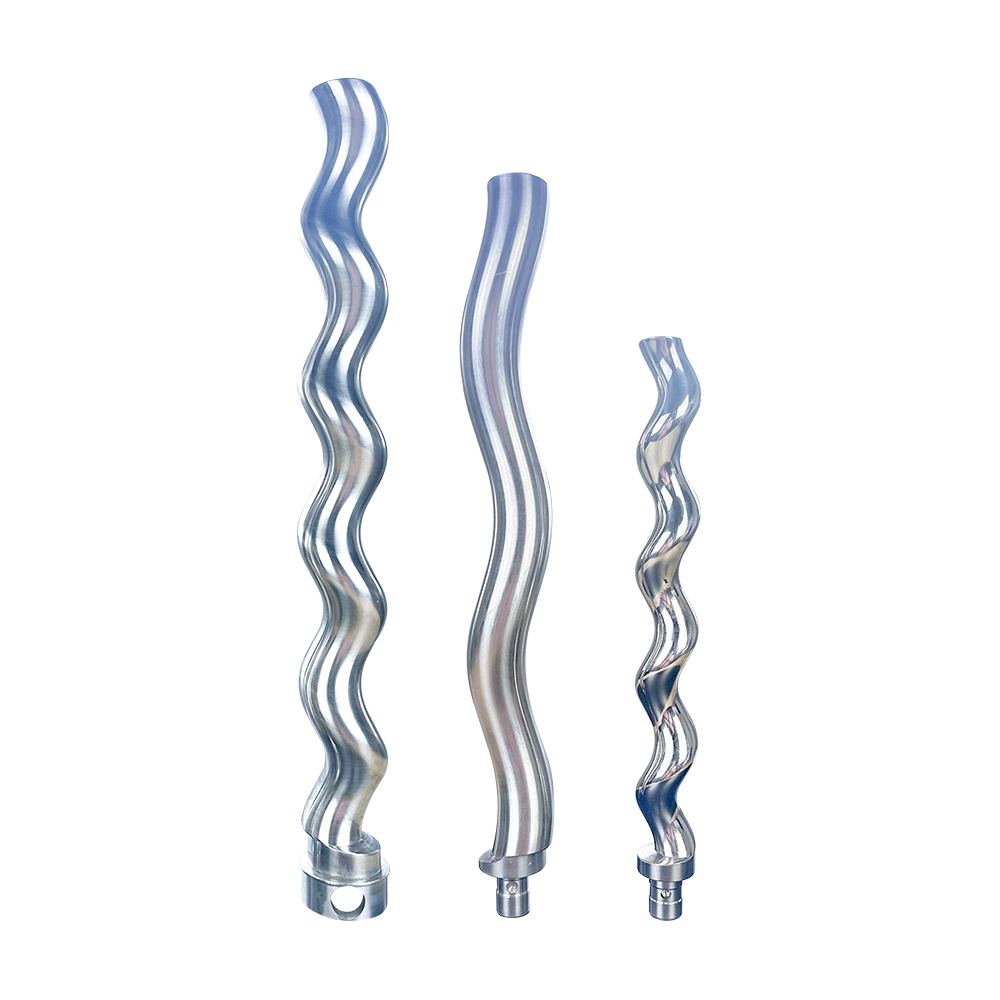
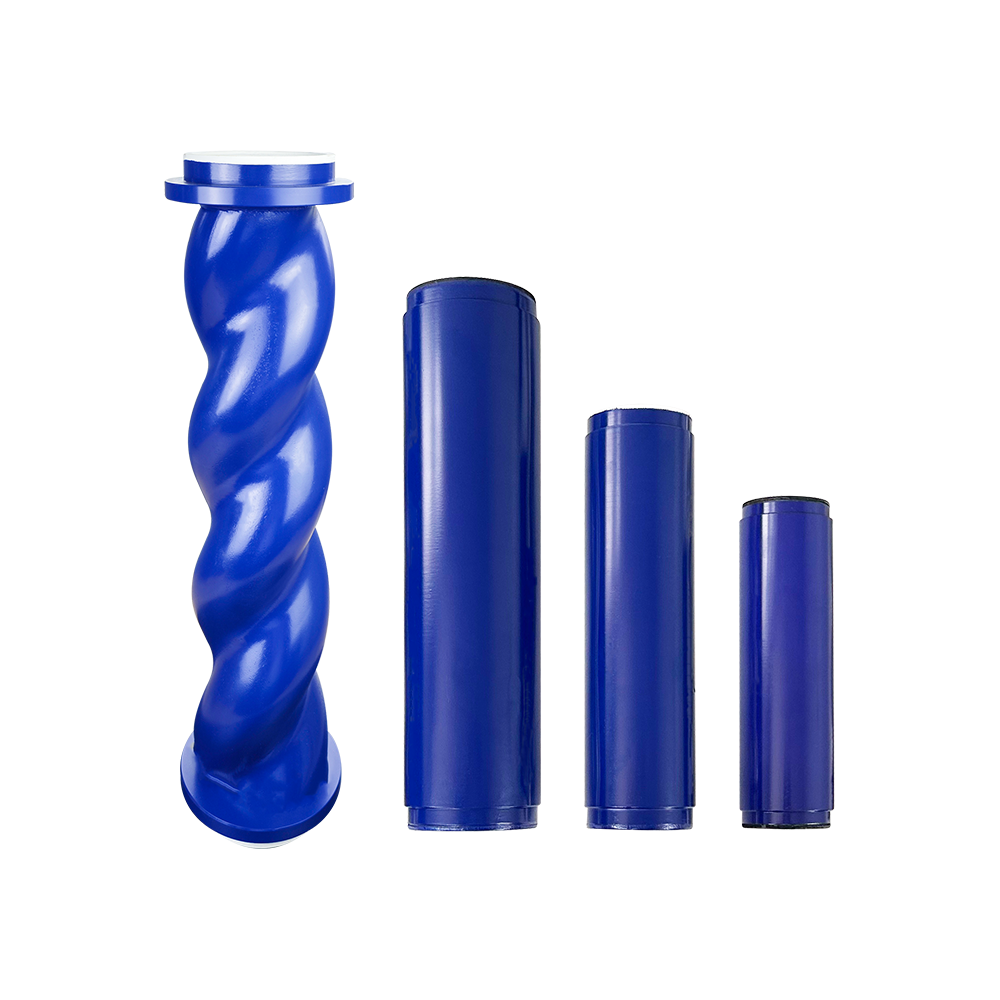
A typical progressive cavity pump consists of a helical rotor installed inside an elastomeric stator. The rotor turns within the stator and creates a series of sealed cavities. As the rotor rotates, these cavities move from the suction side toward the discharge side, carrying the fluid through the pump.
This mechanism differs from centrifugal pumping, which uses a rotating impeller to impart velocity to the liquid. In a progressive cavity pump, fluid is conveyed through moving cavities. Under suitable operating conditions, this can provide relatively low-pulsation flow and effective handling of high-viscosity materials.
The rotor and stator are closely matched components. Their geometry, dimensions, surface condition and material properties influence the sealing effect between cavities. If the fit is unsuitable, the pump may experience excessive internal slip, elevated torque, overheating or premature wear.
The Importance of Rotor and Stator Compatibility
The rotor and stator should be treated as a working pair rather than unrelated spare parts. Rotor geometry, elastomer selection, interference, operating temperature and fluid characteristics can all affect how the pair performs. A replacement component that appears dimensionally similar may not provide the expected result if its material or geometry differs from the original specification.
When replacing wear parts, users should confirm the pump series, model, dimensions and operating requirements. For critical applications, information about the transferred medium and the original component materials can help a supplier assess compatibility more accurately.
Industrial Applications of Progressive Cavity Pumps
Wastewater Treatment and Sludge Transfer
Wastewater treatment facilities often need to transfer sludge, thickened solids and mixtures containing suspended particles. These fluids may vary in consistency throughout the treatment process. A progressive cavity pump can be suitable for such duties when its materials, speed and pressure rating are selected for the actual medium.
Operators should consider solids concentration, particle characteristics, abrasiveness and the possibility of fibers accumulating around moving parts. In addition, dry-running protection and appropriate monitoring are important because the rotor-stator interface relies on suitable operating conditions.
Food and Beverage Processing
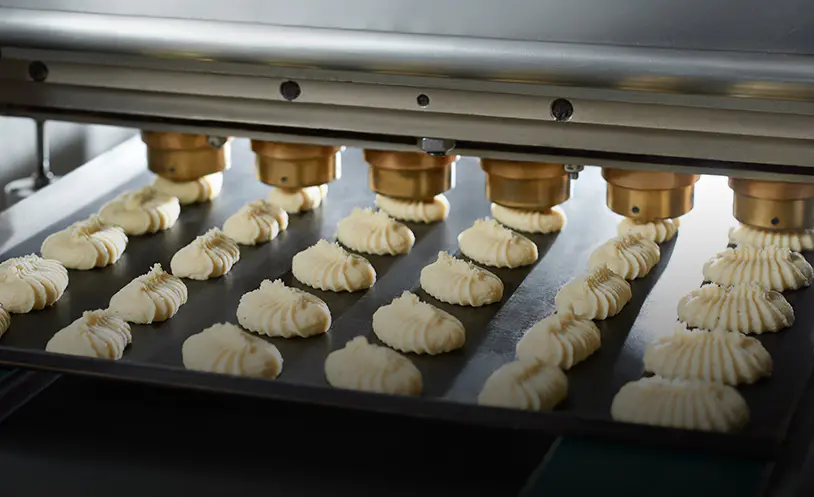
Food production can involve sauces, pastes, syrups, creams and other products whose viscosity changes with temperature or formulation. Controlled transfer is important not only for process efficiency but also for product consistency.
For food-related applications, all wetted materials and the complete pump configuration must meet the relevant hygiene and regulatory requirements. Cleaning procedures, cleanability, seal selection and the possibility of product retention should be evaluated with the equipment supplier before installation.
Chemical and Industrial Manufacturing
Chemical production may involve viscous additives, polymer solutions, resins, emulsions and other process fluids. Material compatibility is a key concern because a chemical that is harmless to one elastomer may cause another material to swell, harden or lose mechanical strength.
Temperature and concentration can change the compatibility profile. The selection process should therefore use the actual chemical composition and expected operating range rather than relying only on a broad fluid category such as oil, solvent or chemical liquid.
Paper, Pulp and Other Process Industries
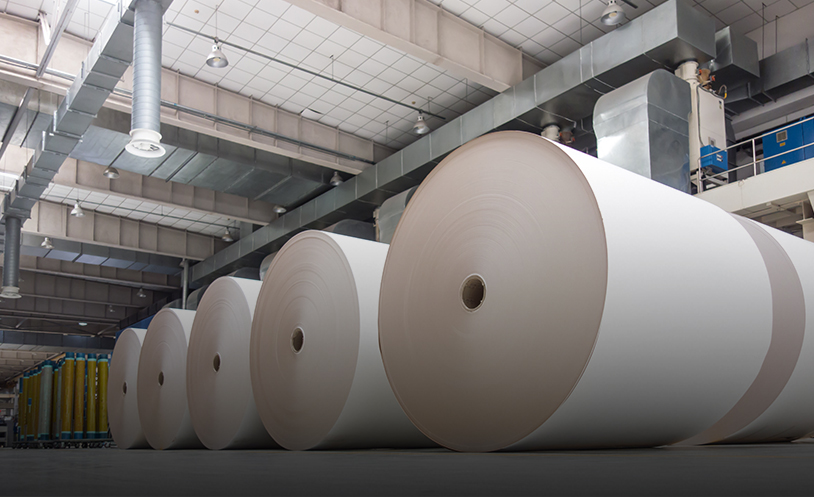
Some paper and pulp operations handle fiber-containing mixtures, while other industrial facilities transfer slurries or thick process materials. Progressive cavity pump suitability depends on the size and nature of the solids, the required throughput, the pressure profile and the wear characteristics of the fluid.
Where abrasive particles are present, operators should pay particular attention to rotor surface condition, stator wear, operating speed and the maintenance plan. A pump that is correctly sized for flow may still perform poorly if the selected materials cannot withstand the process medium.
Key Factors When Selecting a Progressive Cavity Pump
1. Fluid Properties
Begin by documenting the fluid's viscosity, temperature, density, chemical composition and solids content. Viscosity may change with temperature, shear or concentration. Solids may be soft, fibrous, hard or abrasive, and these differences influence the wear expected from the pump.
2. Required Flow Rate and Pressure
Determine the required operating flow rate and the total differential pressure the pump must overcome. Include pipeline friction, elevation changes, valves, filters and downstream equipment in the system assessment. A pump should not be selected solely on its nominal capacity without checking the actual system conditions.
3. Materials and Sealing Configuration
Rotor coatings, stator elastomers, shaft seals, gaskets and other wetted parts should be compatible with the process fluid. Where the medium is hazardous, corrosive or environmentally sensitive, sealing requirements may be especially important.
4. Installation and Operating Environment
Available installation space, ambient temperature, motor requirements, maintenance access and control arrangements can affect the final configuration. In some installations, the pump may need additional protection, instrumentation or auxiliary equipment.
5. Maintenance and Spare Parts
Maintenance planning should include inspection intervals, access to replacement parts and the expected time required to service the pump. The availability of correctly specified rotors, stators and seals can influence the total cost of ownership, particularly in continuous production environments.
Common Causes of Performance Problems
Reduced output, unusual noise, elevated motor current and leakage can indicate developing problems, but no single symptom identifies every failure. Operators should compare the current operating condition with the pump's normal baseline and inspect the full system before replacing components.
- Excessive wear: Abrasive particles, incompatible materials or prolonged operation outside the recommended conditions may damage working surfaces.
- Dry running: Insufficient fluid at the rotor-stator interface can cause rapid temperature rise and damage, particularly to the stator.
- Incorrect sizing: A mismatch between the pump and system requirements may result in inadequate capacity, excessive pressure or inefficient operation.
- Material incompatibility: Chemical exposure or temperature extremes can alter elastomer properties and reduce component life.
- Installation issues: Incorrect alignment, unsuitable piping arrangements or inadequate support can introduce additional mechanical loads.
Practical note: Before dismantling a pump, isolate the equipment, release trapped pressure and follow the site's lockout and safety procedures. Inspection should be performed by qualified personnel using the manufacturer's instructions.
Maintenance Practices That Support Reliable Operation
A practical maintenance program begins with establishing normal operating values. Flow rate, discharge pressure, motor current, temperature, noise and leakage can be recorded during commissioning and checked periodically. Changes from the baseline may help identify wear or operating problems before an unplanned shutdown occurs.
Operators should also verify that the pump receives adequate fluid, that the suction line is not obstructed and that valves are positioned correctly. Unusual pressure changes may originate elsewhere in the process system, so the pump should not automatically be assumed to be the cause.
When the rotor or stator requires replacement, the removed components can provide useful evidence. Uneven wear, chemical deterioration, localized overheating or surface damage may indicate that the replacement specification or operating procedure needs review.
Choosing a Reliable Pump and Spare Parts Supplier
Supplier evaluation should consider more than purchase price. Technical documentation, dimensional accuracy, material traceability, manufacturing consistency and support with component identification can all affect service life and maintenance costs.
For replacement applications, provide the pump manufacturer, series, model, part number and available drawings or dimensions. If the original equipment details are incomplete, photographs and measurements may help with initial identification, although critical dimensions should be verified before an order is confirmed.
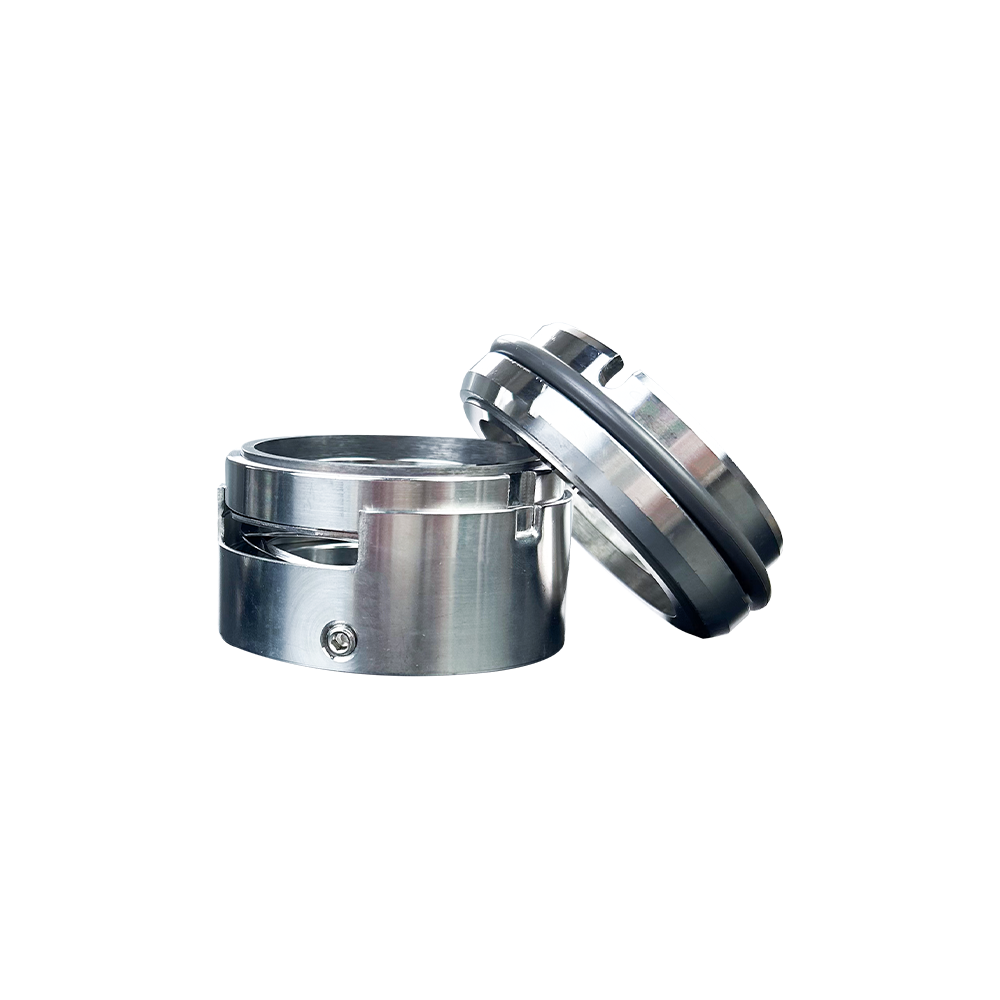
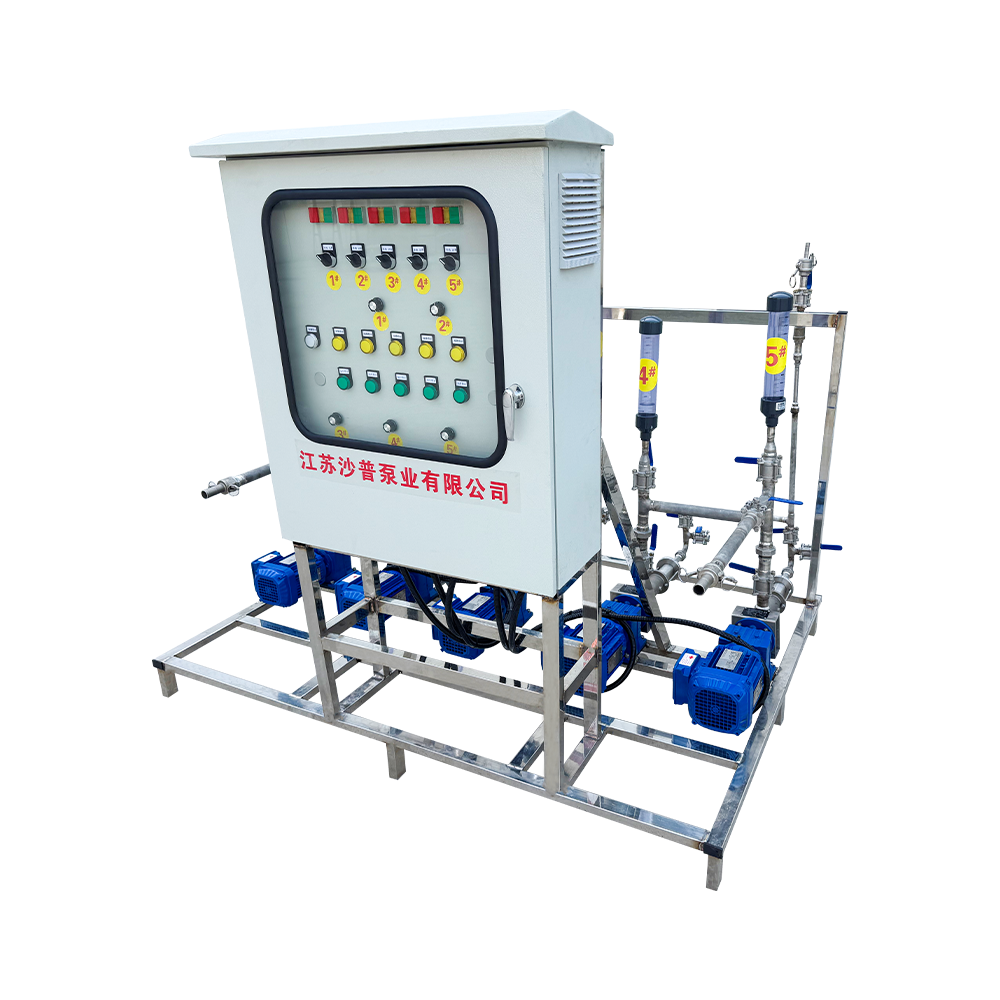
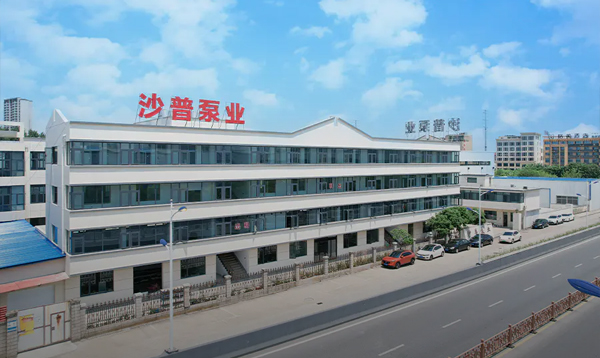
Jiangsu Sharp Pump Co., Ltd. supplies progressive cavity pump-related products and replacement components, including rotors, stators and sealing parts. When discussing a requirement with a supplier, clearly communicate the application, medium, operating temperature, pressure and required delivery specifications so the proposed configuration can be assessed against the actual duty.
Conclusion
Progressive cavity pumps serve a broad range of industrial fluid-transfer applications because their operating principle can accommodate many viscous and challenging media. Reliable performance depends on correct pump sizing, suitable materials, rotor-stator compatibility, sound installation and consistent maintenance.
Rather than selecting a pump based on capacity alone, engineers and purchasing teams should evaluate the fluid, system pressure, operating environment and expected maintenance requirements together. This approach helps reduce avoidable wear, improve process stability and support more predictable equipment operation over the long term.