
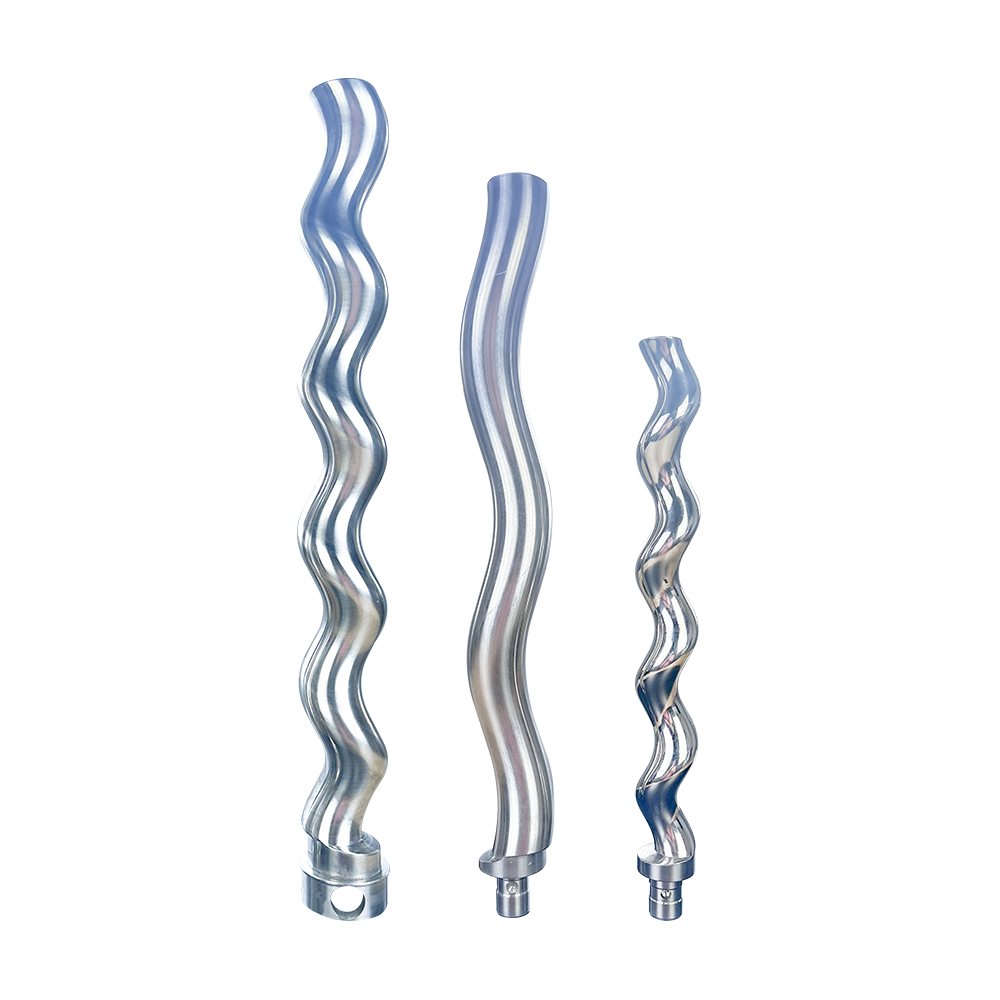
progressive-cavity-pump-rotor
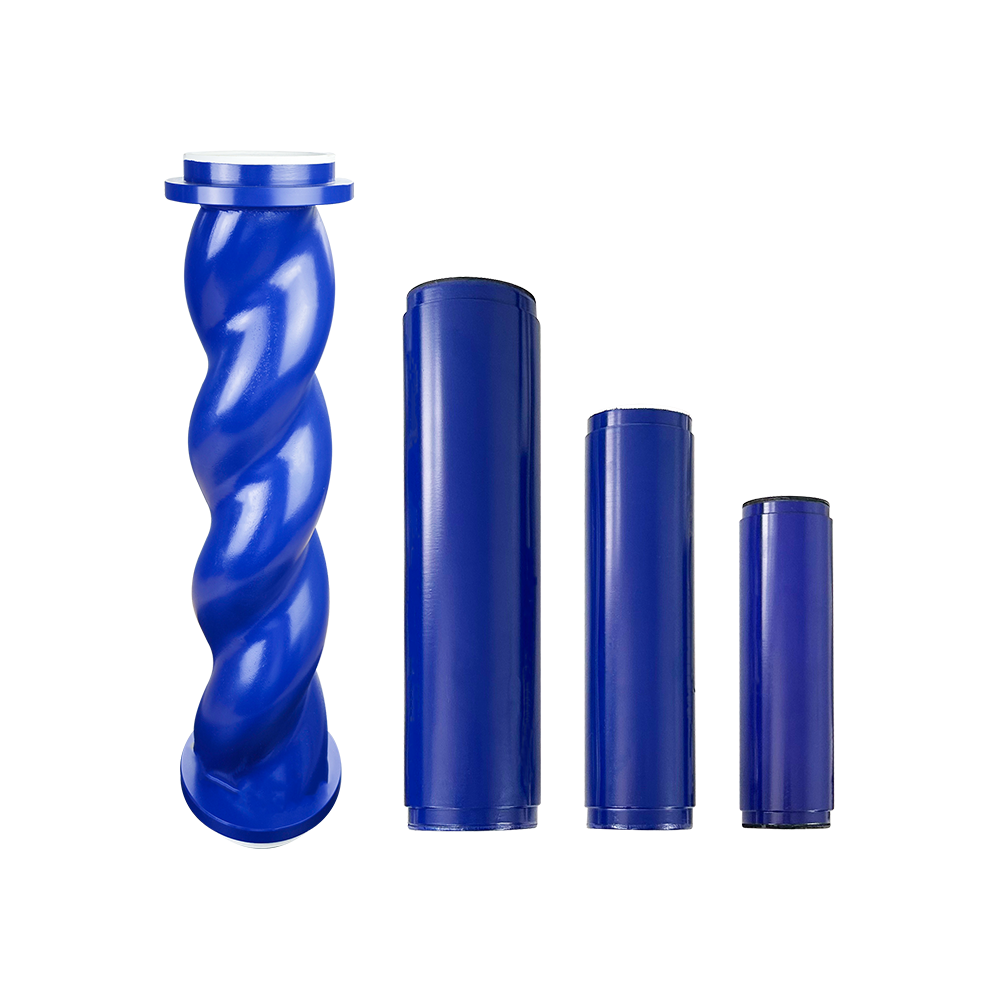
progressive-cavity-pump-stator
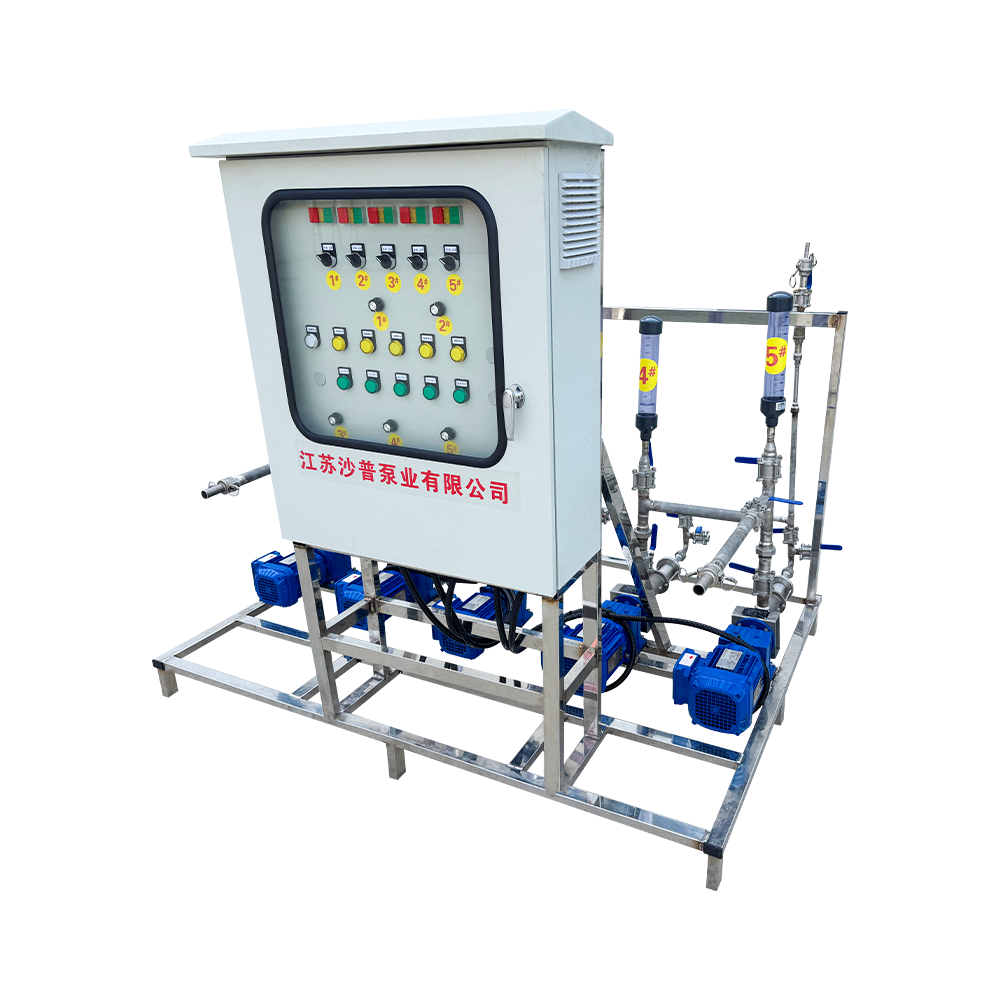
pump-system
Screw pumps are a family of positive-displacement rotary pumps that use one or more threaded rotors (screws) turning inside a stationary housing to move liquids. Instead of relying on high-speed impellers or gears, they trap fluid in the cavities between the screw threads and the casing, then push it smoothly forward as the screws rotate. This gives them excellent self-priming ability, low pulsation, and the capacity to handle a wide range of viscosity. Based on the number of screws, they are generally divided into single screw, twin-screw, and triple-screw pumps, each with distinct characteristics that suit different industrial needs.
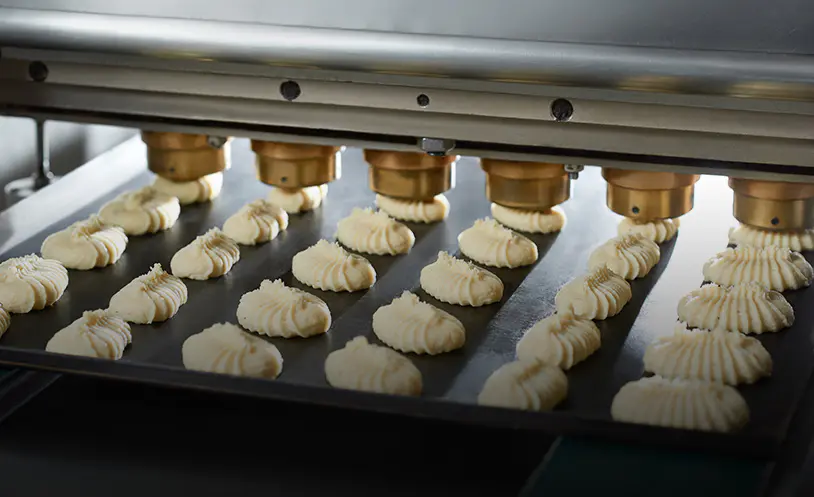
The single screw pump, also known as progressive cavity pump, consists of a metal rotor turning inside an elastomeric stator. The rotor and stator form a series of sealed cavities that move the fluid axially with a gentle, near pulsation-free action. It operates at low to medium speeds and delivers modest flow rates, typically handling pressures up to 20-30 bar (with special designs going higher). Its main strengths lie in handling difficult fluids: highly viscous materials like sludge and dough, abrasive slurries, or shear-sensitive products such as food pastes and paints. Because the cavities can pass small solids and fibers without clogging, it is a good choice for wastewater treatment plants, chemical dosing systems, food processing (fruit puree, chocolate, minced meat), mining tailings, and oilfield mud transfer. The pump’s simplicity also makes it easy to maintain, even in dirty environments.
The twin-screw pump features two inter-meshing screws that rotate in opposite directions (or in the same direction in some designs) within a tight clearance casing. The screws push the fluid along the axis, delivering medium to high flow rates and pressures up to 50–80 bar, over a wide speed range. What sets it apart is its versatility: it can pump thin, non-lubricating fluids like water or solvents just as well as heavy crude oil or molasses, because the bearings can be separately lubricated. It also handles gas-liquid mixtures with less pulsation than gear pumps. This makes it extremely popular in oil and gas pipeline boosting, refinery feedstock transfer, shipboard cargo pumping, and the movement of industrial lubricants or edible oils. Its robust construction and ability to run dry for short periods (with proper design) add to its reliability in demanding continuous services.
The triple-screw pump uses three screws--one powered main screw and two idler screws -- that mesh together to form a continuous sealing line. This design produces a remarkably steady, low-noise, and vibration-free flow, even at high rotational speeds. It achieves high volumetric efficiency and can generate very high pressures, often from 100 bar up to 200 bar or more. However, it works best with clean, lubricating fluids, as the screws rely on the fluid itself for internal lubrication and cooling. Its outstanding performance in terms of pressure stability and quiet operation makes it the preferred choice for hydraulic power units, fuel injection systems, turbine lubrication circuits, marine engine fuel supply, and high‑pressure industrial oil transfer. With minimal moving parts and excellent wear resistance, these pumps offer long service life and low maintenance when used within their intended clean-fluid applications.
The three types listed above are the most common ones. In addition, there are also multi-screw pumps (such as four-screw and five-screw designs) used for special high-pressure and high-capacity applications. In short, selecting the right screw pump depends on your fluid’s viscosity, capacity, solid content, and the required pressure. Single screw pumps excel with thick and dirty media, twin-screw pumps cover the broadest viscosity range including non-lubricants, and triple-screw pumps are unbeatable for clean, high-pressure lubrication duties. All three designs share the core benefits of smooth flow, good self-priming, and reliable operation-- making screw pumps a trusted solution across countless industries.

 maoyaojunyfc@sppump.cn
 +86-523-84231792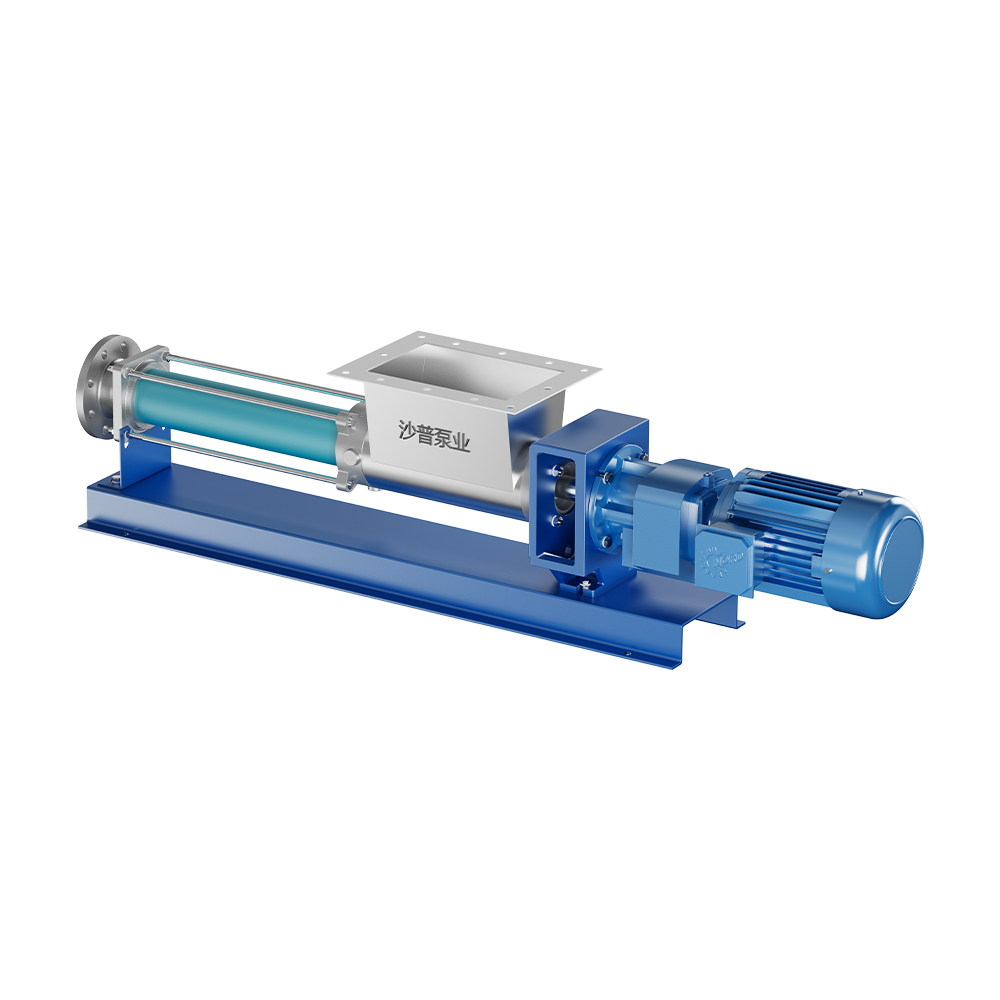











 русский
 Español
 عربى
عربى 中文简体
中文简体